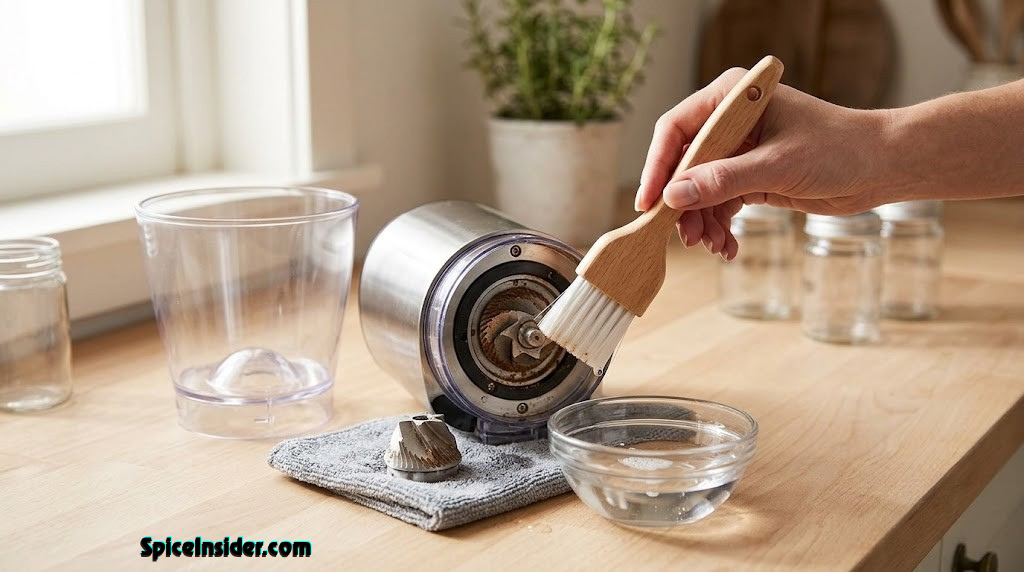
Can You Wash a Spice Grinder? Everything You Need to Know
The short answer is yes — but it depends entirely on your grinder type. Washing it wrong can ruin the motor, dull the blades, and leave your spices tasting like rust. This guide covers everything.
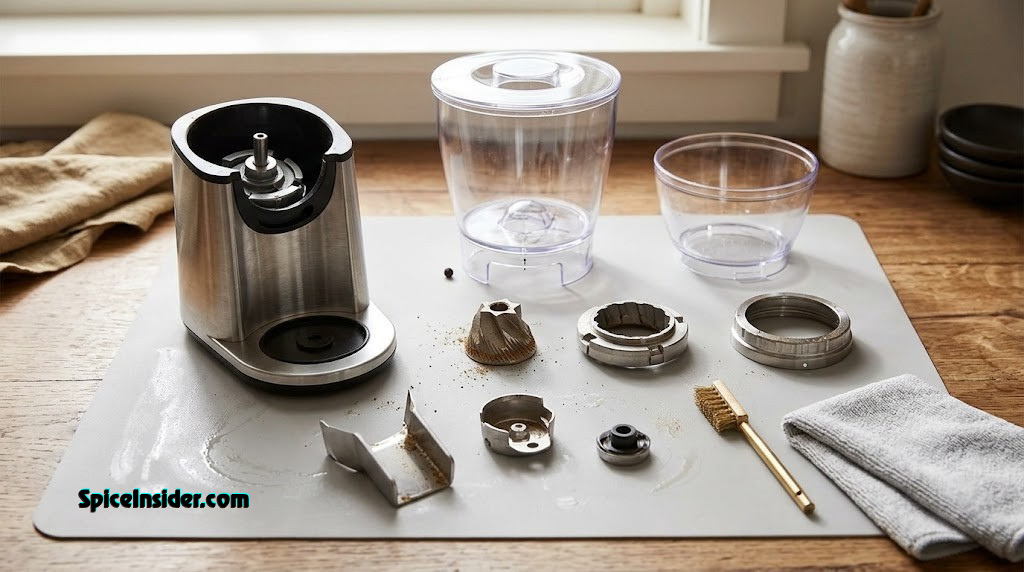
Can You Actually Wash a Spice Grinder?
Yes — but “washing” means different things for different grinders, and doing it incorrectly is one of the fastest ways to destroy an otherwise good machine.
If you’ve ever pulled your spice grinder out of the cupboard and noticed it still smells like last Tuesday’s cumin, you’re not alone. Spice residue clings to metal blades, plastic bowls, and grinding chambers like nobody’s business. The natural question is: can I just rinse this thing out?
The answer is a qualified yes. Most spice grinders can be cleaned with some form of moisture, but the method depends entirely on whether your grinder is electric or manual, and whether its grinding components are detachable. Tossing your entire electric grinder under the tap is a recipe for a blown motor — but hand-washing a removable ceramic grinding bowl? Completely fine.
Before we dive into the how-to, it’s worth understanding why cleaning matters so much. Spice oils are volatile and potent. When cardamom residue sits on your blade, the next batch of black pepper you grind will carry cardamom notes. Cross-contamination is subtle at first, but over weeks of skipping cleanings, your “clean” spices start tasting like a mystery blend. Proper cleaning also keeps your blade sharp, your motor running cool, and your grinder lasting longer.
For a deeper dive into the full cleaning process, our complete guide on how to clean a spice grinder walks through every scenario step by step. But here, we’re tackling the specific question of washing — and when water is actually safe to use.
Know Your Grinder Type First
Cleaning protocol starts with identification. One wrong assumption about your grinder’s construction can cause permanent damage.
Before you reach for a sponge, you need to know what you’re dealing with. Spice grinders fall into a few distinct categories, and each has a different relationship with water.
1. Electric Blade Grinders
These are the most common type — a spinning metal blade inside a sealed motor-driven unit. Think of the classic cylindrical electric coffee/spice grinder that sits on your counter. The motor housing is never water-safe. The grinding bowl may be removable on some models (like the Cuisinart SG-10), which would make washing that bowl perfectly fine.
2. Electric Burr Grinders
Less common for spices but increasingly popular, burr grinders use two rotating abrasive surfaces to crush rather than chop. They produce more consistent grinds. Most have removable burr sets that can be rinsed, though you’ll want to dry them completely before reassembly. Learn more about the differences in our blade vs burr grinder comparison.
3. Manual/Hand-Cranked Grinders
These use a hand-turned mechanism — often ceramic or stainless steel burrs — to grind spices. Most can be fully disassembled and washed by hand. The ceramic and stainless components are water-safe; any wooden exterior elements generally are not.
4. Mortar & Pestle (Stone or Ceramic)
Technically a grinding system rather than a “grinder,” but included here because many people wonder about washing these. Unglazed stone or granite mortars are porous and should not be washed with soap — the soap absorbs into the stone. Rinse with water and let dry. Ceramic and glazed versions are dish-safe.
5. Pepper/Salt Mills
These have a twisting grind mechanism, usually stainless steel or ceramic. The outer wooden body is never water-safe, but the internal grind mechanism can be rinsed if removed carefully.
| Grinder Type | Motor Unit | Bowl/Chamber | Grinding Mechanism | Dishwasher? |
|---|---|---|---|---|
| Electric Blade (one piece) | ✗ Never | ✗ Never | ✗ Never | ✗ No |
| Electric Blade (removable bowl) | ✗ Never | ✓ Hand wash | ✗ Wipe only | ✗ No |
| Electric Burr | ✗ Never | ✓ Rinse ok | ✓ Rinse ok | ✗ No |
| Manual/Hand Grinder | N/A | ✓ Hand wash | ✓ Hand wash | ⚠ Check manual |
| Mortar & Pestle (granite) | N/A | ✓ Rinse only | ✓ Rinse only | ✗ No |
| Mortar & Pestle (ceramic) | N/A | ✓ Hand wash | ✓ Hand wash | ✓ Usually yes |
| Pepper/Salt Mill (wooden) | N/A | ✗ Wipe only | ✓ Rinse (if removable) | ✗ No |
If you’re shopping for a new grinder and cleanliness is a priority, check our roundup of the best spice grinders — we specifically note which models have the most user-friendly cleaning setups.

Cuisinart SG-10 Spice & Nut Grinder
One of the few electric spice grinders with a removable, washable bowl. Makes cleaning dramatically easier — and keeps flavors from crossing over.
View on Amazon →What You Should Never Do When Washing a Spice Grinder
Knowing what not to do saves you from a ruined grinder and a potentially dangerous situation.
Before we get into what works, let’s be crystal clear about what absolutely doesn’t. These are the most common mistakes people make — and most of them stem from treating a spice grinder like a regular kitchen item that can be tossed in the sink.
Common Mistakes That Destroy Grinders
✅ DO These Things
- Unplug before any cleaning
- Use dry rice or bread to absorb odors
- Wipe the inside with a barely damp cloth
- Wash only confirmed removable parts
- Let all parts dry completely before reassembly
- Clean after every use (takes 30 seconds)
- Use a soft brush for blade and chamber residue
❌ NEVER Do These Things
- Submerge any electric grinder
- Put any part of an electric grinder in a dishwasher
- Use soap inside the grinding chamber of unglazed stone
- Run the grinder while wet
- Leave damp parts assembled
- Use abrasive scrubbers on stainless blades
- Ignore strange smells after cleaning
Why Dishwashers Are Off the Table for Electric Grinders
Dishwashers combine high-pressure water jets, intense heat, and steam — three things that will absolutely destroy the motor housing, warp plastic components, strip blade coatings, and corrode the electrical contacts of any electric grinder. Even machines with “removable bowls” typically warn against dishwasher use for those bowls, because the high heat can warp the plastic or degrade the seal gasket over time.
There’s one exception worth noting: some fully manual ceramic grinders with no electrical components can go in the dishwasher, but always verify this in your specific product manual before attempting it.
Also worth mentioning: if your grinder starts emitting a burning smell from the motor, don’t attempt to clean it with water. That’s a motor issue requiring inspection, not a cleaning problem.
Dry Cleaning Methods (Safe for All Grinders)
Dry cleaning is the universal approach — it works safely on electric and manual grinders alike, and it’s genuinely effective for routine maintenance.
For day-to-day upkeep, dry cleaning is often the best — and safest — approach. It requires no water, no drying time, and no risk of moisture damage. If you make a habit of dry-cleaning after every use, you’ll rarely need to do a deep wet clean.
Method 1: The Dry Rice or Bread Technique
Add about 2 tablespoons of uncooked white rice (or a small piece of white bread) to your grinder.
Step 2Run the grinder for 30–45 seconds. The rice acts as an abrasive that scours spice oil residue off the blades and walls.
Step 3Discard the rice/bread. It will have absorbed the spice oils and colors. Then wipe the interior with a dry paper towel.
The rice method is especially useful for removing odors from spice grinders — it’s a low-effort, highly effective technique that takes under two minutes.
Method 2: Soft Brush + Paper Towel Wipe
Use a pastry brush, old toothbrush, or purpose-built cleaning brush to sweep spice powder off the blades and out of the crevices. Follow with a dry paper towel wipe. For the blade specifically, always push the residue away from the blade edge to avoid nicking your fingers.
Method 3: Compressed Air
A quick blast of canned compressed air will dislodge powder from hard-to-reach corners. This is particularly effective for electric burr grinders where fine powder accumulates between the burr plates. Just make sure to do this over a trash can.
For more on preventing buildup before it starts, read our spice grinder dos and don’ts.

Secura Electric Spice & Coffee Grinder
A reliable dual-bowl electric grinder with stainless steel chambers — one for spices, one for coffee — making cross-contamination and cleaning much simpler to manage.
View on Amazon →Wet Cleaning: Electric Grinders (When & How)
Wet cleaning for electric grinders requires precision. You’re not washing the grinder — you’re carefully cleaning the parts that can safely tolerate moisture.
Despite the general rule against water and electric grinders, there is a careful, targeted way to introduce minimal moisture for a deeper clean when dry methods aren’t cutting it. This is especially relevant when grinding highly oily spices like star anise, cardamom, or cloves — their oils are tenacious and don’t come off with dry rice alone.
The Damp Cloth Interior Wipe (Safe for All Electric Grinders)
Unplug the grinder completely. This is non-negotiable — never attempt any cleaning on a plugged-in electric appliance.
Step 2Dampen a microfiber cloth or paper towel until it is barely moist — not wet, just barely damp. Wring it out thoroughly so it doesn’t drip.
Step 3Wipe the interior walls of the grinding chamber, avoiding direct contact with the blade mechanism if possible. Work around the blade, not across it.
Step 4Follow immediately with a dry paper towel wipe to pull out any remaining moisture. Leave the lid off and allow it to air dry for at least 30 minutes before using again.
For Grinders With Removable Bowls
If your electric grinder has a detachable grinding bowl (like the Cuisinart SG-10 or the Secura with its dual bowls), you can remove the bowl and wash it under warm running water with a drop of dish soap. Rinse thoroughly and dry completely before reattaching to the motor unit.
Wet Cleaning: Manual Grinders (Full Wash Guide)
Manual grinders are far more forgiving with water — most can be fully disassembled and cleaned thoroughly.
Hand-cranked spice grinders, pepper mills, and manual burr grinders are the most wash-friendly category. Their lack of electrical components means the primary concern shifts to material compatibility rather than motor protection.
How to Fully Disassemble and Wash a Manual Spice Grinder
Disassemble Completely
Take apart every removable piece: the top catch container, the axle, the burr set, the bottom collecting container. Most manual grinders use a simple screw or click mechanism. Refer to your manual if stuck — and if the lid is stuck, don’t force it.
Step 2Rinse Under Warm Water
Hold each metal or ceramic component under warm (not hot) running water. For ceramic burrs, a gentle stream is fine. For stainless steel components, you can use slightly more pressure. Avoid hot water as it can warp plastic adjustment rings.
Step 3Scrub with a Soft Brush (Optional)
For stubborn spice oils caught in the burr grooves, use a soft-bristled brush (a dedicated cleaning brush works perfectly). Scrub in circular motions along the grooves. A drop of mild dish soap helps with particularly oily residue — just rinse thoroughly afterward.
Step 4Air Dry Completely — This Step Is Critical
Place all components on a clean dish rack or paper towels and let them air dry for a minimum of 2 hours, or ideally overnight. Reassembling any manual grinder with even minor residual moisture can cause rust on metal parts or mildew growth in crevices.
Proper maintenance of your manual grinder will keep it performing beautifully for years. If you’re curious about optimizing grind quality alongside your cleaning routine, our guide on how to use a spice grinder covers the technique side in full detail.
Washing Detachable Bowls, Lids, and Containers
Removable parts follow different rules than the grinder body — and understanding those rules helps you clean thoroughly without risking damage.
Many modern electric spice grinders include detachable stainless steel or polycarbonate bowls. When properly identified, these can be hand-washed routinely, giving you the hygiene of a full wash without any risk to the motor.
Stainless Steel Bowls
Stainless steel grinding bowls are among the easiest to clean. Warm water, a drop of dish soap, a sponge, and a good rinse is all it takes. The key is thorough rinsing — soap residue left on the metal surface will transfer a soapy flavor to your next grind. Rinse until the water runs completely clear and you detect no trace of soap smell.
Polycarbonate (Plastic) Lids and Bowls
Plastic components are water-safe but temperature-sensitive. Wash in warm — never hot — water, and never put them in the dishwasher. High heat causes warping and cracking, which destroys the seal integrity and can lead to spice dust escaping the chamber during grinding.
Rubber Gaskets and Seals
Check your grinder for rubber sealing gaskets — many have them where the bowl meets the lid. These should be removed and washed separately if possible. Soap residue or mold can accumulate in folds. A toothbrush and warm soapy water works well here. Allow them to air dry completely before reseating.
| Component | Hand Wash OK? | Dishwasher OK? | Soap OK? | Drying Method |
|---|---|---|---|---|
| Stainless steel bowl | ✓ Yes | ⚠ Check manual | ✓ Rinse well | Air dry or towel dry |
| Polycarbonate lid | ✓ Yes | ✗ No (heat) | ✓ Rinse well | Air dry only |
| Rubber gasket | ✓ Yes | ✗ No | ✓ Gentle soap | Air dry completely |
| Ceramic burr (manual) | ✓ Yes | ✗ No | ⚠ Avoid if possible | Air dry 2+ hours |
| Stainless burr (manual) | ✓ Yes | ✗ No (rust risk) | ✓ Rinse very well | Air dry 2+ hours |
| Wooden exterior | ✗ No | ✗ Never | ✗ No | Wipe with dry cloth |
| Motor housing | ✗ Never | ✗ Never | ✗ Never | Wipe with barely damp cloth |
A well-maintained grinder is also a better-performing one. If you’ve noticed your machine isn’t grinding as finely as it used to, cleaning the bowl and burrs might be part of the fix — but you might also want to read why your spice grinder isn’t grinding fine enough.

Manual Ceramic Burr Spice Grinder
Ceramic burr manual grinders are the most wash-friendly option — fully disassemblable, rust-resistant, and easy to rinse clean between different spice types.
Shop Manual Grinders on Amazon →Removing Stubborn Odors After Washing
Sometimes washing removes the visual residue but the smell lingers. These targeted methods deal with persistent spice odors specifically.
You’ve cleaned your grinder, and it looks spotless — but the next time you open it, you’re greeted by a wave of yesterday’s cumin. This is a common frustration, and it happens because spice oils penetrate microscopic pores in both plastic and metal over time. Standard washing removes the surface layer; odor removal requires a different approach.
White Rice Method (Odor Absorption)
Grind two tablespoons of dry white rice after any wet cleaning. The starch in rice absorbs residual odor molecules. Discard the rice and wipe the chamber. This is one of the most effective and widely recommended approaches — our detailed guide on getting smell out of your spice grinder using rice and bread goes into full detail.
White Bread Method
Tear a piece of white bread into the grinder and pulse. The porous bread absorbs oils and odors effectively, similar to rice. Discard and wipe. This works especially well after grinding strong aromatics like fenugreek or asafoetida.
Baking Soda Paste (For Removable Metal Parts)
Mix a small amount of baking soda with just enough water to form a paste. Apply to removable stainless steel components, let sit for 5 minutes, then rinse completely. Baking soda is a natural odor neutralizer and mild abrasive — it’s effective without being harsh on metal surfaces.
Lemon Juice Wipe (For Plastic Lids and Bowls)
The citric acid in fresh lemon juice is excellent at cutting through volatile spice oils. Squeeze some lemon juice onto a paper towel and wipe the interior of plastic lids and bowls. Let it sit for 2 minutes, then rinse with warm water. The fresh citrus scent also dissipates quickly, leaving the plastic neutral.
For persistent, deeply embedded odors that none of these methods resolve, check our in-depth piece on spice grinder odor removal — it covers more advanced techniques including activated charcoal and vinegar treatments.
| Method | Best For | Works On | Effectiveness | Time Needed |
|---|---|---|---|---|
| Dry Rice | General odors | Entire grinding chamber | ★★★★☆ | 2 min |
| White Bread | Strong aromatics | Entire grinding chamber | ★★★★☆ | 2 min |
| Baking Soda Paste | Oil buildup on metal | Removable metal parts | ★★★★★ | 10 min |
| Lemon Juice | Plastic/polycarbonate odor | Lids and bowls | ★★★☆☆ | 5 min |
| White Vinegar Wipe | Mold or mildew smells | Stainless steel surfaces | ★★★★☆ | 5 min |
| Activated Charcoal | Deeply embedded odors | Enclosed chamber | ★★★★★ | Overnight |
How Often Should You Wash Your Spice Grinder?
Cleaning frequency should be driven by what you’re grinding, not just by a calendar schedule.
There’s no universal answer to how often you should clean your grinder — it depends on frequency of use, the types of spices you grind, and how much flavor transfer you’ll tolerate. That said, here’s a practical framework that keeps most home cooks happy.
After Every Use (30-Second Dry Clean)
A quick brush-out or dry rice run after every single use is the most important cleaning habit you can develop. It takes half a minute, prevents oil buildup, and means deep cleaning is rarely necessary. Think of it like wiping down a cutting board after each use — small effort, big cumulative benefit.
Weekly (Deeper Dry or Light Damp Clean)
If you use your grinder several times a week, a weekly deeper clean using a damp cloth wipe for electric grinders — or a full disassembly and rinse for manual ones — keeps everything fresh. This is also when you’d check for any unusual residue or discoloration in the grinding chamber.
Monthly (Full Deep Clean + Odor Check)
Once a month, do a thorough inspection and deep clean. For electric grinders, this means a damp wipe followed by a rice run. For manual grinders, a full disassembly, rinse, and dry. Check all components for wear, rust spots, or degradation. This is also the time to address any persistent odors before they become embedded.
Trigger Cleans (Anytime These Happen)
- Switching from a strong spice (fenugreek, cloves, cardamom) to a mild one (white pepper, coriander)
- After grinding particularly oily spices like star anise or nutmeg
- If the grinder has been sitting unused for more than 2 weeks
- Anytime you notice chunks, uneven grinding, or reduced performance — which could also signal issues beyond cleaning, as our guide on why your grinder leaves chunks explains
- Before switching from spice use to grinding coffee
Cleaning Methods Compared: Dry vs Damp vs Full Wash
Choosing the right cleaning method isn’t just about how dirty the grinder is — it’s about matching the method to your grinder type and the level of residue you’re dealing with.
| Method | Safe For | Time | Residue Removal | Odor Removal | Risk Level |
|---|---|---|---|---|---|
| Dry Brush + Wipe | All grinder types | 30 sec | Light only | Low | Zero |
| Dry Rice / Bread Run | Electric & manual | 2 min | Light–Medium | Medium | Zero |
| Compressed Air | All grinder types | 1 min | Light powder | Low | Zero |
| Damp Cloth Wipe | Electric (interior chamber only) | 5 min | Medium | Medium | Low (if careful) |
| Hand Wash Removable Bowl | Electric with detachable bowls | 10 min | High | High | Low |
| Full Disassembly + Rinse | Manual grinders only | 15–20 min | Very High | Very High | Low (allow full dry) |
| Dishwasher | Specific ceramic/glazed only | 60 min | Very High | High | High (check manual first) |
When to Upgrade Your Cleaning Routine
If you find yourself needing to do full deep cleans every week just to keep your grinder from cross-contaminating flavors, it might be worth looking at a grinder with a more cleaning-friendly design. Some models now feature dishwasher-safe grinding bowls, removable burr systems, and non-stick interior coatings that make maintenance dramatically simpler. Our guide to spice grinders built to last includes several models specifically chosen for durability and ease of maintenance.
If you’re mostly grinding whole spices, also consider how your prep workflow affects cleaning frequency. Toasting spices before grinding, as described in our guide on how to toast spices before grinding, can actually reduce oil transfer because the heat partially volatilizes the more stubborn oils before they ever touch the grinder.
Easiest Spice Grinders to Keep Clean
Not all grinders are equally maintainable. If cleaning ease is a priority, these design features should be at the top of your checklist.
If you’re in the market for a new grinder and cleaning is high on your priority list, here’s what to look for — and a few specific models that get this right.
Design Features That Make Cleaning Easy
- Removable, dishwasher-safe bowls: The single biggest quality-of-life feature for cleaning. Lets you wash the grinding surface thoroughly without any risk to the motor.
- Wide bowl opening: Narrow openings make it hard to get a cloth or brush inside effectively. A wide-mouth design gives you full access to the interior.
- Stainless steel (not plastic) interior: Stainless steel resists staining and odor absorption far better than plastic. It also doesn’t scratch and harbor bacteria the way plastic can.
- Smooth interior walls: No ridges, corners, or seams inside the grinding chamber means nowhere for residue to hide.
- Minimal crevices around the blade: On blade-style grinders, a simple blade mount that doesn’t have complex attachment hardware is easier to wipe around.
Grinder Cleaning Scorecard
| Grinder Model | Removable Bowl | Stainless Interior | Easy Access | Cleaning Score |
|---|---|---|---|---|
| Cuisinart SG-10 | ✓ Yes | ✓ Yes | ✓ Yes | ★★★★★ |
| Secura Dual Bowl | ✓ Yes (dual) | ✓ Yes | ✓ Yes | ★★★★★ |
| Standard Blade (1-piece) | ✗ No | ⚠ Varies | ⚠ Limited | ★★☆☆☆ |
| Manual Ceramic Burr | ✓ Fully disassembles | Ceramic | ✓ Full access | ★★★★★ |
| Granite Mortar & Pestle | N/A | N/A (stone) | ✓ Complete access | ★★★☆☆ (no soap) |
Also worth considering: if you grind both coffee and spices, it’s worth getting a grinder specifically designed to handle both — or even two separate machines. Our piece on grinding coffee in a spice grinder explains the trade-offs and cleaning implications of dual use.
And if you’ve been grinding whole spices and wondering whether pre-ground wouldn’t be less of a hassle, our comparison of whole spices vs pre-ground might help you decide — though honestly, once you have the cleaning routine down, whole spices win every time.

Top Pick: Cuisinart SG-10 — Most Washable Electric Grinder
The SG-10 features a removable stainless steel grinding bowl that’s the easiest to clean among electric grinder options. Wide opening, smooth walls, and no hidden crevices.
View on Amazon →Keeping Your Grinder Clean Starts With How You Use It
Cleaning is easier when you develop habits that minimize buildup from the start.
Good cleaning habits don’t begin with the sponge — they begin with how you load and operate the grinder. A few mindful practices during grinding can cut your post-use cleaning time in half.
Don’t Overfill the Chamber
Overfilling means spice powder gets forced into every crack, crevice, and seam. Fill the grinding chamber only to the recommended capacity (usually about two-thirds full). This also produces a more even grind — another benefit of proper loading technique, which our guide on how to use a spice grinder explains in depth.
Grind in Short Pulses, Not Continuous Runs
Continuous operation heats the motor and the chamber, which accelerates oil oxidation and makes residue stickier. Short pulses with a few seconds of rest between them keep things cooler and produce less caked-on buildup. It also protects your motor from strain, reducing the chance of the burning smell that indicates motor stress.
Grind the Mildest Spice Last
If you’re grinding multiple spices in one session, order them from mildest to most pungent. This way, any residue from a stronger spice is less likely to contaminate the more delicate flavors. Save cumin, fenugreek, and star anise for last.
Consider Whether You Even Need a Grinder
For smaller quantities, knowing how to grind spices without a grinder — using a rolling pin, mortar and pestle, or microplane — can sometimes be the more practical choice, especially when you only need a small pinch and don’t want the cleanup of the full machine.
Frequently Asked Questions
Can I put my spice grinder in the dishwasher?
For electric spice grinders, the answer is almost always no. The motor housing cannot tolerate dishwasher conditions, and even detachable bowls are often warped by dishwasher heat. Some fully manual ceramic grinders specify their components are dishwasher-safe — always check your product manual before attempting this. When in doubt, hand wash and air dry.
Can I rinse my electric spice grinder with water?
You should never rinse the motor unit or the assembled grinding chamber of an electric grinder. However, if your grinder has a removable bowl, you can rinse and hand-wash that component separately. For the grinding chamber itself, use a barely damp cloth wipe, followed immediately by a dry paper towel, and allow it to air out for at least 30 minutes before the next use.
How do I get rid of the spice smell in my grinder?
The most effective methods are the dry rice technique (grind 2 tablespoons of dry white rice and discard), or the white bread technique (pulse a piece of bread to absorb odors). For deeper odor removal on removable metal parts, a baking soda paste left for 5 minutes before rinsing works well. Lemon juice wiped on plastic parts also neutralizes odors effectively.
Is it okay to use soap inside a spice grinder?
For stainless steel removable bowls, a small drop of mild dish soap is fine — just rinse thoroughly until no soap smell remains. Avoid soap on unglazed stone or granite (mortar and pestle) as the porous surface absorbs soap, which then taints your spices. For the interior of electric grinder chambers, soap is not recommended as rinsing it out is difficult without risking motor damage.
Can I use vinegar to clean my spice grinder?
White vinegar is safe and effective for cleaning removable stainless steel components — it cuts through oils and neutralizes odors. Dilute it with equal parts water and wipe with a cloth. Rinse thoroughly afterward since vinegar smell can linger. Do not use vinegar inside an electric motor unit or on plastic components as it can cause degradation over time.
How long do I need to wait after cleaning before using the grinder?
After a damp cloth wipe on an electric grinder, wait at least 30 minutes with the lid open before use. After a full hand wash of removable components, allow at minimum 2 hours of air drying — or ideally leave overnight. Running a grinder with any residual moisture can cause rusting, mold growth, or in worst cases, electrical issues in the motor housing.
What’s the easiest way to clean a spice grinder quickly?
The quickest method is the dry rice technique: add 2 tablespoons of dry white rice, run the grinder for 30 seconds, discard the rice, and give the interior a quick paper towel wipe. Total time: under 2 minutes. For a slightly deeper clean, follow this with a barely damp cloth wipe and a dry wipe. Making this a habit after every use prevents the need for longer deep cleaning sessions.
Why does my spice grinder smell even after cleaning?
Persistent odors usually mean spice oils have penetrated the microscopic pores of the grinding chamber material. A single cleaning won’t always resolve this — try multiple rounds of the dry rice method, followed by the baking soda paste treatment on any removable metal parts. If the grinder has plastic components, lemon juice can help neutralize absorbed odors. Plastic components tend to hold odors more than stainless steel, which is one reason stainless-interior grinders are preferred.
Can I clean a wooden spice grinder or pepper mill with water?
No. Wooden exteriors on pepper mills or spice grinders should never be exposed to water. Moisture causes wood to swell, crack, and warp, which destroys the structural integrity of the mechanism. Wipe the exterior with a barely damp cloth at most, then dry immediately. If the internal grinding mechanism is removable and made of metal or ceramic, those parts can be rinsed — but protect the wood entirely from moisture throughout the process.
My spice grinder lid is stuck and I can’t clean it properly — what should I do?
A stuck lid is often caused by residue buildup creating a seal at the rim, or by mechanical issues with the lid mechanism. Never force it — you can crack the plastic or damage the rim seal. Our dedicated guide on fixing a stuck spice grinder lid walks through the best release techniques for each situation. Once freed, a regular cleaning routine will prevent the issue from recurring.
Conclusion: Yes, You Can Wash It — But Do It Right
So, can you wash a spice grinder? Absolutely. But the method that’s right for your grinder depends entirely on what you own. Electric grinders with sealed motor units need water-free or minimally-damp approaches for the grinding chamber, while removable bowls can be properly hand-washed. Manual grinders give you the most flexibility — fully disassemble, rinse, dry completely, and you’re good to go.
The cleaning habits that matter most are the smallest ones: a dry rice run after each use, a damp wipe weekly, and a full deep clean monthly. These simple practices mean your spices always taste the way they’re supposed to — clean, vibrant, and free from the ghost flavors of last month’s cumin.
Investing five minutes a week in your grinder’s cleanliness pays back in years of better-tasting food and a machine that doesn’t leave chunks in your grinds or fail prematurely. Keep it clean, keep it dry, and your grinder will reward you with fresh, consistent results every time.
Ready to Find the Perfect Spice Grinder?
Explore our hand-tested recommendations for the best spice grinders of the season — chosen for grind quality, durability, and — yes — how easy they are to clean.
See Our Top Picks →