Best Saffron Brands: The Real, the Rich, and the Ones Worth Your Money
Saffron is the one spice where a cheap mistake actually costs you something — dyed corn silk, safflower “poor man’s saffron,” or threads so old they’ve gone flat and dusty instead of floral and metallic. We tested, tasted, and compared the brands that consistently deliver the deep crimson color, the honeyed-hay aroma, and the bittersweet flavor that real saffron is supposed to have.

What Makes Saffron So Special
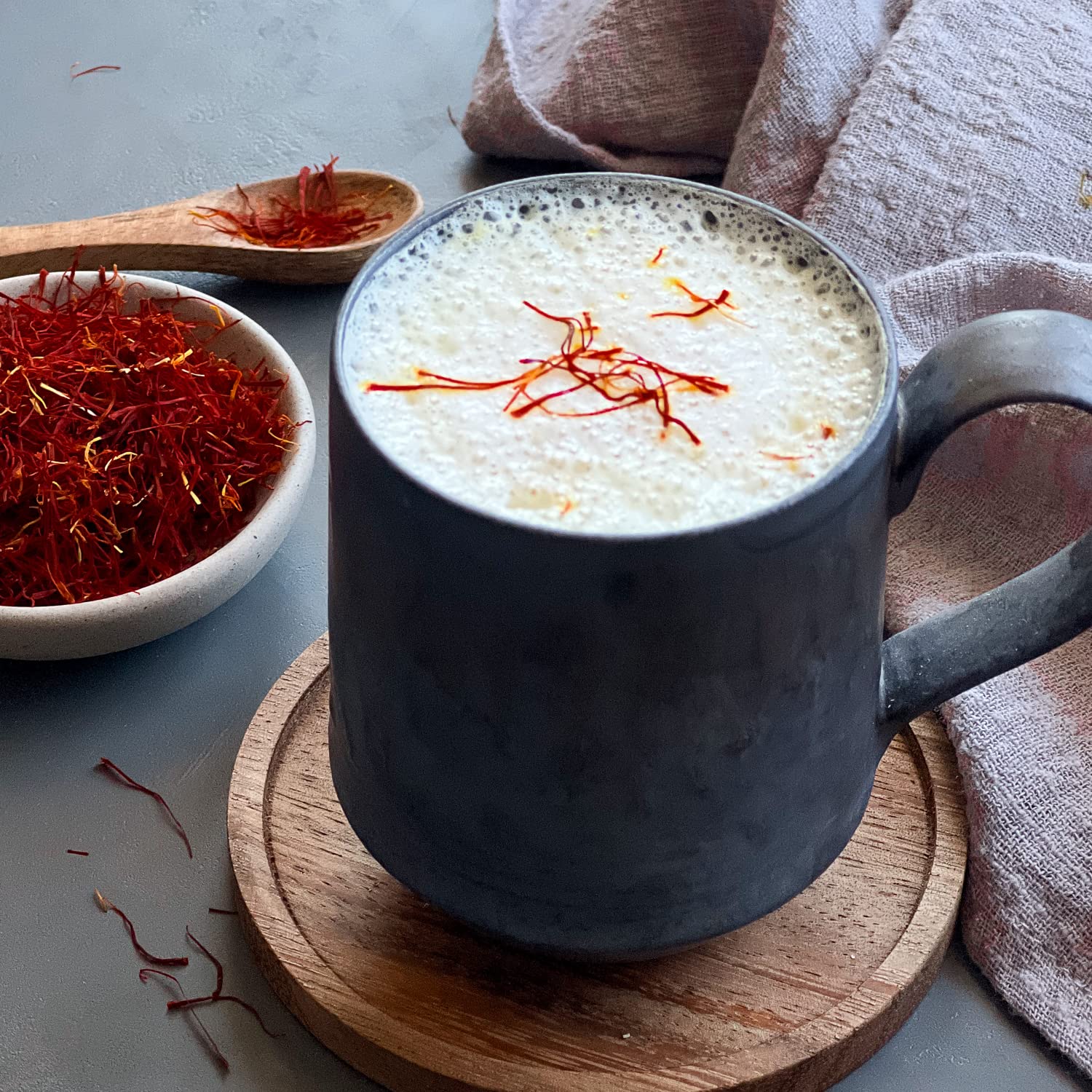
Every jar of saffron represents an enormous amount of hand labor. Each crocus flower produces exactly three stigmas, and those threads have to be plucked by hand at dawn, before the flower opens fully and the delicate strands start to wilt in the sun. It takes somewhere around 75,000 flowers, hand-picked over a matter of weeks, to produce a single pound of dried saffron. That single fact explains almost everything else about this spice: the price, the counterfeiting problem, and why a genuinely good brand is worth seeking out rather than grabbing whatever jar sits on the supermarket shelf.
Unlike most spices, saffron isn’t valued for heat or pungency. It’s valued for three things working together: a deep, glassy crimson-red color that bleeds slowly into liquid, a warm and slightly medicinal aroma that’s often described as hay-like or honeyed, and a flavor that sits somewhere between bitter, sweet, and faintly metallic. When any one of those three is missing or muted, you’re probably not holding true saffron — you’re holding an old, weak, or adulterated version of it.
What separates a great saffron brand from a mediocre one usually comes down to three variables: which part of the stigma was harvested (the deep red tip only, or the whole thread including the yellow style), how quickly the threads were dried after picking, and how they were stored and shipped afterward. A brand that controls all three consistently is worth paying a premium for, because the alternative — a jar that smells like straw and colors water a pale yellow instead of gold — isn’t really saffron in any meaningful culinary sense.
How We Chose the Best Saffron Brands
We didn’t rank these brands on packaging or price alone. Each product was evaluated against the same criteria that professional buyers and culinary labs use to grade saffron, adapted for a home cook who just wants to know which jar is actually worth buying.
What We Prioritized
- Thread color: deep, uniform crimson-red with minimal yellow style
- Aroma strength straight out of the jar
- How quickly and richly it colors warm water or broth
- Country of origin and harvest transparency
- Packaging that protects against light, air, and moisture
- Value relative to gram weight, not just sticker price
What We Deprioritized
- Flashy tins or gift-box presentation with no quality backing it up
- Vague “premium” claims without origin or grade information
- Brands relying entirely on marketing language over actual thread quality
If you’re also stocking up on other pantry staples, it’s worth applying the same scrutiny to turmeric powder and whole black peppercorns, since freshness and sourcing matter almost as much there as they do with saffron.
Top 7 Best Saffron Brands, Reviewed
Here’s our full breakdown of the seven saffron brands that stood out, ranked from our overall favorite down through the most situational picks — including a budget-friendly seasoning blend for anyone who isn’t ready to commit to pure threads yet.

Golden Saffron — Finest Pure Premium All Red Saffron
This is the brand we keep coming back to for everyday cooking. The threads arrive almost entirely red, with very little of the pale yellow style mixed in, which is usually the clearest visual sign of a well-sorted, high-grade harvest. Dropped into warm water, a small pinch releases color within seconds and keeps deepening into a rich amber-gold over the next few minutes — exactly the behavior you want from fresh, potent saffron.
The aroma is where this one really separates itself: open the jar and you get an immediate hay-and-honey scent rather than the faint, dusty smell that lower-grade saffron often has. For risottos, paellas, and Persian rice dishes where saffron is the star rather than a background note, this is the brand we’d reach for first.
Pros
- Excellent color-to-water ratio
- Strong, authentic aroma
- Consistent thread quality between batches
Cons
- Smaller jar sizes sell out during holiday seasons
- Not the cheapest per-gram option

Organic Saffron Threads by Banu Saffron
If you specifically shop organic, this is the most credible option on the list — the certification actually shows up on the packaging rather than being a vague marketing claim. The threads themselves are notably long and intact, which matters more than people realize, because broken or crushed threads oxidize and lose potency faster than whole ones.
In our bloom test, this brand produced a slightly more golden-orange hue compared to the deeper crimson of some Persian styles, which tracks with typical growing and processing differences. The flavor carries a gentle bitterness without tipping into anything harsh, making it a forgiving option for cooks who are still calibrating how much saffron to use.
Pros
- Verified organic certification
- Long, unbroken thread structure
- Balanced, approachable flavor
Cons
- Slightly milder color output than the top pick
- Premium pricing tied to the organic label

Zaran Saffron — Superior Saffron Threads
Zaran leans heavily into the Persian saffron tradition, and it shows in the thread structure — thick, deep red strands that are visibly consistent from one thread to the next. This is the brand we’d point Persian and Middle Eastern cooks toward specifically, since it performs beautifully in tahdig, saffron rice, and rosewater-based desserts where you need both color depth and a floral top note rather than just bitterness.
One thing worth noting: this brand blooms a little slower than some competitors, taking closer to 15–20 minutes in warm water to reach full color saturation rather than the 5–10 minutes you’d get from a faster-releasing thread. That’s not a flaw, just a timing consideration if you’re planning a recipe around it.
Pros
- Beautiful, uniform deep-red threads
- Excellent for traditional Persian recipes
- Well-sealed, light-blocking packaging
Cons
- Slower bloom time than average
- Limited stock availability at times

Divine Healing Saffron
Marketed toward the wellness crowd who steep saffron as tea rather than cook with it exclusively, this brand is noticeably milder in bitterness than some of the more culinary-focused options above. That mildness is actually an advantage for tea drinkers — a few threads steeped in hot water produce a smooth, faintly sweet infusion rather than an overpowering, medicinal one.
For cooking, it still performs respectably, though heavy-handed recipes like paella may benefit from a slightly more assertive brand. Where this one shines is in lattes, golden milk, and light broths where you want the color and aroma of saffron without it fighting other ingredients for attention.
Pros
- Smooth, mild flavor profile
- Great for tea and warm beverages
- Small-batch sourcing feel
Cons
- Less intense for bold savory dishes
- Higher price relative to thread weight

Badia Sazon con Azafran (Sazon with Saffron)
This one deserves an important caveat upfront: it’s a seasoning blend, not pure saffron threads. Badia’s Sazon con Azafran combines a small amount of real saffron with other spices like coriander, garlic, and annatto to create a convenient all-in-one packet used widely in Latin American and Caribbean cooking, especially for rice and bean dishes.
If you’re looking for pure, thread-form saffron to control the flavor precisely, skip this one and go with one of the picks above. But if you cook a lot of arroz con gollo, paella-adjacent rice dishes, or Puerto Rican-style rice, and you want the traditional golden color without measuring out threads every time, this is a genuinely useful pantry staple at a fraction of the cost.
Pros
- Extremely affordable and widely available
- Convenient single-packet dosing
- Authentic flavor base for Latin rice dishes
Cons
- Not pure saffron — contains other spices
- Not a substitute in recipes that need saffron alone

Alma Gourmet Spanish Saffron Threads
Spanish saffron tends to have a slightly different flavor signature than Persian or Kashmiri varieties — a touch more floral, a bit less intensely bitter — and Alma Gourmet captures that profile well. It’s the brand we’d point paella purists toward, since the flavor pairs naturally with the smoked paprika and short-grain rice base that Spanish paella traditionally relies on.
If you’re building out a Spanish or Mediterranean pantry, this pairs especially well alongside smoked paprika, which shows up in nearly the same dishes saffron does.
Pros
- Authentic Spanish flavor profile
- Pairs naturally with paella and Mediterranean dishes
- Attractive tin packaging that blocks light well
Cons
- Milder than Persian-style threads in some batches
- Smaller quantity per tin than bulk-style jars

The Gathering Of Saffron
This brand rounds out our list as the most gift-friendly option, thanks to compact, attractive jars that feel appropriate for a housewarming gift or a stocking stuffer for the cook in your life. Quality-wise, it sits solidly in the middle of the pack — good color release, a pleasant aroma, though not quite matching the intensity of our top two picks.
It’s a reasonable choice if you only cook with saffron occasionally and don’t want to commit to a large jar that might sit half-used for a year, since saffron does lose potency over time even when stored properly.
Pros
- Attractive, gift-appropriate packaging
- Reasonable quality for occasional use
- Good portion size for infrequent cooks
Cons
- Not the most intense option for daily cooks
- Higher price per gram than bulk-oriented brands
Saffron Brand Comparison Table
Use this table as a quick-glance summary before you commit — thread type, best use case, and how each brand compares on price and intensity.
| Brand | Thread Type | Best For | Aroma Intensity | Relative Price |
|---|---|---|---|---|
| Golden Saffron | All-red threads | Everyday cooking | Strong | Mid |
| Banu Saffron (Organic) | Long whole threads | Organic-focused kitchens | Moderate–Strong | Mid-High |
| Zaran Saffron | Deep red, Persian style | Persian rice dishes | Strong | Mid-High |
| Divine Healing Saffron | Whole threads, milder cut | Tea and wellness drinks | Mild–Moderate | High |
| Badia Sazon con Azafran | Seasoning blend | Latin rice & bean dishes | Mild (blended) | Low |
| Alma Gourmet Spanish Saffron | Spanish-style threads | Paella & Mediterranean dishes | Moderate | Mid |
| The Gathering Of Saffron | Whole threads | Gifting, occasional use | Moderate | Mid-High |
Understanding Saffron Grades
Saffron isn’t sold as one uniform product — it’s graded, and the grading system explains a huge amount of the price variation you’ll see between brands. Internationally, saffron quality is typically measured using the ISO 3632 standard, which tests for three compounds: crocin (color strength), picrocrocin (bitterness/flavor), and safranal (aroma). Higher category numbers under this system (Category I being the highest) indicate more concentrated, potent saffron.
In practical terms, you’ll usually see saffron described by these more familiar names:
- Sargol / Coupe: Only the deep-red tip of the stigma, with no yellow style attached. This is the most potent, most expensive grade, and it’s what you want for serious cooking.
- Pushal / Mancha: A slightly lower grade that includes a small amount of the yellow style along with the red tip. Still good quality, slightly less concentrated.
- Bunch / Konge: Whole stigmas with a larger portion of yellow style attached. Weaker in color and aroma, and generally the lowest grade sold as “saffron” rather than filler.
Most home cooks will never send a jar off to a lab for ISO testing, so it helps to know what those lab numbers translate to in the real world. Crocin, the compound responsible for color, is measured by how strongly a saffron solution absorbs light at a specific wavelength — in practice, this is exactly what you’re eyeballing when you drop threads into warm water and watch how fast and how deeply the liquid turns gold. Picrocrocin governs the bitter, hay-like flavor, and safranal is responsible for that distinctive aroma that hits you the moment you twist open a fresh jar. A brand that scores well across all three isn’t just technically “high grade” on paper — it’s the brand that will actually taste and smell like something in your kitchen.
It’s also worth understanding that grading happens at the point of processing, not at the point of sale, which means packaging and marketing language can sometimes obscure what grade you’re actually getting. Terms like “premium,” “gourmet,” or “gold reserve” aren’t standardized and can be applied to almost any grade of saffron. When a brand is confident in its grade, it tends to say so directly — Sargol, Negin, Pushal, or a stated ISO category — rather than relying on vague superlatives. If a listing doesn’t mention grade or origin at all, treat that as a gap in information rather than a guarantee of quality either way.
Spanish vs. Persian vs. Kashmiri Saffron
Origin genuinely changes the character of saffron, similar to how terroir changes wine. The three major producing regions each have a distinct reputation among cooks.
Persian (Iranian) Saffron
Iran produces the majority of the world’s saffron supply, and Persian saffron is generally prized for its deep red color and strong, slightly medicinal aroma. Sargol-grade Persian saffron is often considered the benchmark for intensity.
Spanish Saffron
Traditionally associated with La Mancha, Spanish saffron tends to be slightly milder and more floral than Persian varieties, which is part of why it pairs so naturally with paella’s other bold flavors, including smoked paprika, without overwhelming the dish.
Kashmiri Saffron
Grown at high altitude in the Kashmir valley, this variety is considered by many chefs to be exceptionally aromatic and deeply colored, though genuine Kashmiri saffron is produced in small quantities and commands a very high price — which unfortunately also makes it one of the most frequently counterfeited types on the market.
Altitude and climate genuinely change the chemistry of the flower. The Kashmir valley’s cooler temperatures and unique soil conditions are often credited with producing thicker, darker threads than saffron grown at lower elevations, but the region’s limited farmland means true Kashmiri saffron will almost never be the cheapest option on a shelf. If a listing claims to be Kashmiri saffron at a bargain price, treat that claim with the same skepticism you’d apply to any luxury good sold suspiciously below market rate.
There are also smaller producing regions worth knowing about, even if they’re less common in North American retail. Greek saffron, grown primarily around the town of Krokos, has its own protected designation of origin and a loyal following among European chefs for its bright color and floral notes. Afghan saffron production has grown substantially in recent years and is increasingly competitive with Iranian saffron on both grade and price, particularly from the Herat region. None of this means one origin is objectively “best” — it means origin is one more data point, alongside grade and freshness, that helps explain why two jars labeled simply “saffron” can taste and perform so differently.
| Origin | Typical Flavor Profile | Best Suited For |
|---|---|---|
| Persian (Iran) | Bold, deep, slightly medicinal | Rice dishes, stews, strong infusions |
| Spanish (La Mancha) | Milder, floral | Paella, Mediterranean cooking |
| Kashmiri (India) | Deep, highly aromatic | Desserts, milk-based dishes, special occasions |
| Greek | Bright, floral | European-style rice and seafood dishes |
How to Tell Real Saffron From Fake
Saffron’s price makes it one of the most commonly adulterated spices in the world, so it’s worth knowing the warning signs before you buy from an unfamiliar seller. Adulteration ranges from mixing in cheaper safflower or marigold petals, to dyeing corn silk or shredded paper red, to soaking real threads in oil or glycerin to add weight.
- The water test: Drop a few threads into warm water. Real saffron releases color slowly, over several minutes, and the threads themselves stay mostly intact. Fake saffron often bleeds color almost instantly and completely, sometimes turning the water an unnaturally bright red or orange within seconds.
- The texture test: Genuine threads are slightly brittle and should snap rather than bend. If threads feel rubbery, waxy, or oily to the touch, be suspicious.
- The smell test: Real saffron has a distinctive hay-honey aroma with a faint metallic edge. If a jar smells like nothing, or smells sweet and floral in a way that resembles hay-scented candles more than an actual spice, that’s a red flag.
- The price test: If a deal seems too good — a large quantity of “pure saffron” for a price that undercuts every reputable brand by 70% or more — it almost certainly isn’t pure saffron.
We’ve gone even deeper into this topic in our dedicated guide on how to tell if saffron is real, including a full walkthrough of the water test with timing benchmarks.
How to Store Saffron the Right Way
Saffron’s three prized compounds — crocin, picrocrocin, and safranal — are all sensitive to light, heat, air, and moisture. Poor storage is one of the fastest ways to turn an excellent, expensive jar of saffron into a dull, flavorless one within a matter of months.
- Keep it dark: Store saffron in an opaque or tinted container, away from direct light. Clear glass jars look nice on a shelf but slowly degrade the threads if they’re exposed to sunlight regularly.
- Keep it cool and dry: A cupboard away from the stove and oven is far better than anything near heat or steam. Some cooks keep small amounts in the refrigerator in an airtight container, though condensation is a real risk if you’re opening and closing it often.
- Keep it sealed: Air exposure accelerates the loss of volatile aroma compounds. Reseal the jar tightly every time, and consider transferring to a smaller airtight container as you use up a large jar, so there’s less empty air space above the threads.
- Use it within a reasonable window: Properly stored saffron can last a couple of years, but it’s noticeably more potent within the first six to twelve months. Buy in quantities you’ll realistically use.
If saffron is just one part of a larger pantry overhaul, our guides on how to store bulk spices, the best spice organizers, and how to label spice jars can help you build a system that keeps everything, not just saffron, fresher for longer.
How to Bloom and Cook With Saffron
Saffron threads don’t release their full color and flavor just by being tossed into a pot dry. “Blooming” — steeping the threads in warm liquid before adding them to a recipe — is the technique that unlocks their potential.
The Basic Bloom Method
Crush a small pinch of threads gently between your fingers or with a mortar and pestle, then steep them in two to three tablespoons of warm (not boiling) water, milk, or broth for 10 to 20 minutes. You’ll see the liquid slowly deepen into a rich gold or amber color. Add both the liquid and the threads to your dish for maximum flavor and color transfer.
How Much Saffron to Use
A little goes a very long way. For most dishes serving four to six people, somewhere between a quarter and a half teaspoon of threads (roughly 15 to 20 threads) is plenty. Using more won’t necessarily improve the dish — past a certain point, saffron’s flavor can tip from pleasantly bittersweet into medicinal and overpowering.
Where Saffron Shines
- Rice dishes: Paella, biryani, risotto Milanese, and Persian tahdig all rely on saffron for both color and aroma.
- Broths and soups: Bouillabaisse and other seafood-based broths use saffron as a defining background note.
- Baked goods: Saffron buns and breads, especially in Scandinavian and Cornish baking traditions, use bloomed saffron milk in the dough itself.
- Desserts and drinks: Kheer, saffron lattes, and rosewater-saffron syrups all benefit from a gentle, milk-based bloom.
If you’re building out a spice rack that leans into similarly aromatic, warm-spice cooking, it’s worth pairing your saffron purchase with a look at our guides to whole nutmeg and the best vanilla bean brands, both of which show up frequently alongside saffron in dessert and baking applications. If you’re ever unsure whether to reach for a whole vanilla pod or an extract in a saffron-forward dessert, our comparison of vanilla extract versus vanilla bean paste breaks down when each one makes more sense.
Common Mistakes That Waste Good Saffron
Even with a great brand in hand, technique mistakes can undercut the investment. The most common one is adding dry threads directly to a hot pan or simmering liquid without blooming first — the threads simply don’t have time to release their full color and aroma before the dish is finished cooking. The second most common mistake is over-crushing: grinding saffron into a fine dust with a heavy-duty grinder can actually degrade some of the more delicate aromatic compounds through excess friction and heat. A gentle crush between your fingers or a light pass with a mortar and pestle is almost always enough, and it’s a gentler process than reaching for a dedicated spice grinder built for tougher, woodier spices.
The third mistake is timing: adding bloomed saffron too early in a long-simmering dish means some of its aroma cooks off before serving. For most rice and broth applications, stirring in the bloomed saffron liquid during the final 10 to 15 minutes of cooking preserves far more of its character than adding it at the very start.
Saffron Health Benefits
Beyond the kitchen, saffron has a long history in traditional medicine, and modern research has taken a genuine interest in some of its compounds, particularly crocin and safranal. It’s worth noting upfront that saffron is a spice, not a substitute for medical treatment, and the amounts used in cooking are far smaller than the doses studied in most research.
- Antioxidant properties: Saffron contains a range of plant compounds that act as antioxidants, helping to neutralize free radicals in the body.
- Mood support: Saffron is one of the more studied culinary spices in relation to mood, with some research exploring its use as a complementary approach alongside standard care.
- Digestive comfort: Traditionally, saffron tea has been used to soothe mild digestive discomfort, often alongside other warming spices.
- Eye health interest: Some early research has looked at saffron’s potential role in supporting eye health, though this remains an active area of study rather than settled science.
It’s also worth separating culinary use from supplement use, since the two aren’t really comparable. A pinch of threads bloomed into a rice dish delivers a small, flavorful dose of saffron’s compounds spread across a whole meal. Concentrated saffron extracts and capsules, by contrast, are formulated to deliver a much higher, standardized dose, which is closer to what most of the wellness-focused research has actually studied. If your primary interest in saffron is genuinely wellness-driven rather than culinary, a whole-thread tea like the kind Divine Healing Saffron is marketed for sits somewhere in the middle — more concentrated than a cooking pinch, but still far gentler than a supplement capsule.
Why Is Saffron So Expensive
It’s genuinely one of the most labor-intensive crops in the world. Crocus sativus flowers bloom for only a couple of weeks each year, and each flower opens for just a day or two before wilting. During that narrow window, the three tiny stigmas inside each flower have to be hand-harvested at dawn, before the day’s heat causes the flowers to close and the delicate threads to bruise.
From there, the threads must be carefully dried — traditionally over gentle heat — within hours of picking, or they’ll spoil. There’s no mechanized way to replicate this process at scale without sacrificing quality, which is why saffron production hasn’t industrialized the way most other spices have. When you combine the sheer volume of flowers needed per pound with the skilled hand labor at every stage, the price starts to make a lot more sense.
| Factor | Why It Drives Up Cost |
|---|---|
| Flowers per pound | Roughly 75,000 flowers needed for one pound of dried threads |
| Harvest window | Only a few weeks per year, and each flower must be picked within a day or two of blooming |
| Labor | Entirely hand-picked and hand-sorted; no viable large-scale mechanization |
| Processing speed | Threads must be dried within hours of picking to preserve potency |
Weather adds another layer of unpredictability that most shoppers never think about. Crocus sativus is sensitive to rainfall and temperature swings during its short flowering window, so a poor growing season in a major producing region can tighten global supply and push prices up the following year, the same way frost can affect coffee or cocoa prices. This is part of why saffron prices fluctuate more than most pantry spices from one year to the next, even when nothing about the product itself has changed.
All of this is also why per-gram pricing, rather than per-jar pricing, is the only fair way to compare saffron brands. A tiny jar that looks inexpensive at first glance can actually cost more per gram than a larger jar from a competing brand, and the reverse is just as common. Before adding anything to your cart, it’s worth doing the quick math — price divided by grams — so you’re comparing apples to apples rather than being swayed by jar size or packaging alone.
Saffron vs. Other “Golden” Spices
Because good saffron is expensive, a lot of cooks reach for cheaper substitutes without realizing they’re not interchangeable. It’s worth understanding the difference so you know when a substitute will actually work and when it won’t.
Saffron vs. Turmeric
Turmeric can mimic saffron’s yellow color in a pinch, but the flavor is completely different — earthy and slightly bitter rather than floral and honeyed. It works as a color substitute in some rice dishes, but it’s not a true flavor replacement. Our guide to the best turmeric powder covers how to pick a quality jar if you’re using it on its own merits.
Saffron vs. “Mexican Saffron” (Safflower)
Safflower, sometimes sold under the misleading name “Mexican saffron,” is a completely different plant. It adds color but almost no real flavor complexity, and it’s one of the most common adulterants mixed into cheap “saffron” blends.
Saffron and Paprika in Combination
In Spanish cooking especially, saffron and smoked paprika are often used together rather than as substitutes for one another — paprika brings smoky depth while saffron brings floral, bittersweet complexity and color. See our guide to the best smoked paprika for pairing recommendations.
Frequently Asked Questions
What is the best saffron brand overall?
Based on color intensity, aroma, and consistency between batches, Golden Saffron’s Finest Pure Premium All Red Saffron stood out as the strongest all-around performer for everyday cooking.
Is expensive saffron always better quality?
Not necessarily. Price is influenced by grade, origin, and brand marketing, so it’s possible to find a reasonably priced, high-grade Sargol saffron that outperforms a more expensive but lower-grade jar. Checking thread color and aroma matters more than price alone.
How can I tell if my saffron has gone bad?
Old saffron loses its vivid color, smells dusty or flat instead of hay-like, and colors water very slowly or weakly compared to fresh threads. It’s not necessarily unsafe to use, but it won’t deliver the flavor or color you’re expecting.
Can I substitute saffron powder for saffron threads?
You can, but powder is far more prone to adulteration than whole threads, since it’s much harder to visually verify. If you do use powder, buy from a brand that’s transparent about sourcing, and use slightly less than you would with threads since powder tends to be more concentrated.
How much saffron should I use per dish?
A quarter to half teaspoon of threads (roughly 15–20 threads) is usually enough for a dish serving four to six people. More isn’t always better, since too much saffron can turn medicinal-tasting rather than pleasantly bittersweet.
Does saffron need to be refrigerated?
Not necessarily. A cool, dark, dry cupboard is sufficient for most home cooks. If you do refrigerate it, keep it in a well-sealed airtight container to avoid moisture exposure from repeated opening.
What’s the difference between Persian and Spanish saffron?
Persian saffron is generally more intensely colored and aromatic, especially in Sargol grade, while Spanish saffron tends to be a bit milder and more floral, which is part of why it works so well in dishes like paella.
Is Badia’s saffron seasoning the same as pure saffron threads?
No. Badia’s Sazon con Azafran is a seasoning blend that includes a small amount of real saffron along with other spices like coriander and annatto. It’s convenient for certain Latin dishes but isn’t a substitute in recipes calling for pure saffron threads.
Why does my saffron color the water instantly instead of slowly?
Real saffron typically releases color gradually over several minutes. An instant, overly vivid color release is one of the classic warning signs of dyed, adulterated saffron rather than the genuine article.
Can saffron lose its color but still taste fine?
It’s uncommon. Color, aroma, and flavor tend to degrade together in saffron because they’re all tied to the same volatile and pigment compounds. If the color has clearly faded, assume the flavor has weakened too.
Final Verdict
If you only take one thing away from this guide, let it be this: with saffron, thread quality matters more than almost any other factor in your kitchen. A brand with deep red, whole, fragrant threads will transform a dish; a jar of dusty, pale, broken threads will barely register. Golden Saffron earned our top spot for its consistently strong color and aroma at a fair price, Banu Saffron is the clear choice if organic certification matters to you, and Zaran Saffron is worth seeking out specifically for Persian rice cooking.
Whichever brand you choose, store it properly, bloom it before adding it to your dish, and resist the urge to use more than a small pinch — real saffron rewards restraint far more than it rewards quantity.
Shop Our Top Pick on Amazon