
Best Smoked Paprika: 10 Brands Worth Keeping In Your Spice Rack
A hands-on comparison of the smoked paprikas (and a couple of standout regular paprikas) that actually earn a permanent spot next to the stove — tasted, smelled, and cooked with, not just skimmed off a shelf.

Why Smoked Paprika Is Worth the Upgrade
There’s a specific moment that converts people into smoked paprika believers. It usually happens over a pan of roasting potatoes, or a pot of chorizo simmering with white beans, when a single spoonful of rust-colored powder turns an ordinary weeknight dish into something that tastes like it took all day. That’s the trick of Spanish-style smoked paprika, known locally as pimentón: it delivers a deep, campfire-like smokiness without ever touching an actual flame, because the peppers themselves were slow-smoked over oak before grinding.
Not every jar labeled “paprika” delivers that experience, though. Some are sweet and mild with barely a whisper of smoke. Others lean hot enough to clear a sinus. A few are made from peppers that were simply dried, not smoked at all, and taste flat and dusty by comparison. Picking the right one matters more than most home cooks realize, because paprika is one of those spices that gets sprinkled onto nearly everything — deviled eggs, roasted vegetables, rubs for chicken and ribs, goulash, paella, even a finishing dust on hummus — so a mediocre jar quietly drags down a lot of meals.
We spent time smelling, tasting, and cooking with ten widely available brands to figure out which ones are genuinely worth buying, which are fine as everyday backups, and which ones you can skip. Below you’ll find a fast comparison table for anyone in a hurry, followed by full write-ups, a buying guide, and answers to the questions people ask most often about smoked paprika.
Whether you’re stocking a kitchen from scratch or simply replacing a bottle that’s been sitting open for two years, the goal here is the same: help you land on a jar that actually tastes like something the next time you reach for it, rather than one that just happens to say “paprika” on the label.
Quick Picks Comparison Table
If you only read one section, make it this one. Here’s how the ten brands stack up at a glance before we get into the details.
| Brand | Type | Smoke Level | Best For | Container |
|---|---|---|---|---|
| La Dalia Authentic Spanish | Smoked (sweet) | High, authentic | Purists wanting true pimentón | Tin |
| McCormick Smoked Paprika | Smoked (sweet) | Medium | Everyday grocery reliability | Bottle |
| Badia Smoked Paprika | Smoked (sweet) | Medium-high | Budget-friendly bulk cooking | Bottle |
| Lawry’s Casero Smoked | Smoked (sweet) | Medium | Rubs and grilling | Bottle |
| Fasori Smoked Paprika | Smoked (sweet) | Medium-high | Home-ground, fresher batches | Bag/Jar |
| Frontier Co-op Smoked | Smoked (sweet), organic option | Medium | Organic-focused shoppers | Bottle |
| iSpice Szeged Sweet | Regular (Hungarian sweet) | None | Hungarian dishes, goulash | Tin |
| Simply Organic Paprika | Regular, organic | None | Color and mild flavor, organic pantry | Bottle |
| Spice Classics Paprika | Regular | None | Garnish, color, budget staple | Bottle |
| Amazon Grocery Paprika | Regular | None | Basic pantry backup | Bottle |

Check Current Price
What Smoked Paprika Actually Is
Smoked paprika starts life as the same pepper as regular paprika, usually a variety in the Capsicum annuum family grown in Spain’s La Vera or Murcia regions, or similar cultivars grown elsewhere and processed the same way. The difference is entirely in what happens after harvest. Traditional Spanish producers dry the peppers slowly over smoldering oak logs for one to two weeks, turning them by hand so every batch smokes evenly, before grinding them into the fine, deep red powder you see on shelves. That slow oak smoke is what gives authentic pimentón its signature aroma — closer to bacon or a wood-fired grill than to anything a liquid smoke flavoring can fake.
Mass-market versions sometimes shortcut this process, using drying tunnels or adding smoke flavoring after the fact rather than smoking whole peppers over wood. The result can still taste decent, but it usually lacks the layered, slightly sweet-and-savory complexity of the traditional method. When you’re comparing brands, checking whether the label references Spain, oak smoking, or Denominación de Origen certification (a protected status similar to how Champagne is regulated) is a reasonable shortcut to spotting the more traditional products.
Geography plays a bigger role in flavor than most shoppers expect. La Vera, in the Extremadura region of western Spain, is the epicenter of traditional smoked paprika production and holds a Denominación de Origen Protegida (DOP) status, meaning producers there follow strict rules about pepper variety, growing conditions, and the wood-smoking process itself. Murcia, another Spanish region, produces paprika under its own DOP that tends to lean slightly sweeter and less smoky than La Vera’s. Outside Spain, countries including the United States, Hungary, and various Central American growers produce paprika using their own methods, which range from careful traditional smoking to faster industrial drying with smoke flavoring added afterward.
Understanding this backstory isn’t just trivia — it explains why two jars both labeled “smoked paprika” can taste completely different. A DOP-certified La Vera pimentón and a generic domestic bottle are related products, but they’re not really interchangeable in a dish where the paprika is meant to carry real flavor weight rather than just add color.
For readers who also cook with other warm spices, it’s worth building out the rest of the pantry with the same level of care — our guides to the best turmeric powder and best black peppercorns cover the same kind of brand-by-brand testing, and if whole nutmeg or vanilla are also on your restocking list, best whole nutmeg and best vanilla bean brands are worth a look too.
Sweet, Bitter, and Hot: Know the Types
Not all smoked paprika is created equal, and the type matters more than the brand in some cases. Here’s the breakdown:
- Dulce (sweet): The most common style sold in the US. Mild, fruity, gently smoky, with almost no heat. Good for beginners and for dishes where you want color and aroma without spice.
- Agridulce (bittersweet): A middle ground with a touch more bite and complexity. Less common on US shelves but worth seeking out for paella and stews.
- Picante (hot): Built with hotter pepper varieties, delivering real heat alongside the smoke. Best used sparingly in rubs, chili, and chorizo.
Nine of the ten products in this roundup are the sweet (dulce) style, which is the safest default for most kitchens. If a recipe specifically calls for hot smoked paprika and your jar only says “smoked paprika” with no qualifier, assume it’s sweet unless the label states otherwise.
Beyond heat level, pepper variety also shapes the final flavor. Bola peppers, one of the traditional cultivars used in La Vera, tend to produce a rounder, sweeter smoke character, while Jaranda and Jariza varieties can lean slightly more bitter or intense depending on how they’re blended. Most commercial labels don’t specify pepper variety, but tasting side by side over time is usually enough to notice which style a particular brand favors, and it’s part of why two “sweet smoked” jars from different companies can still taste noticeably different from one another.
How to Buy Smoked Paprika at the Store: A Quick Checklist
If you’re standing in a spice aisle trying to decide between several unfamiliar jars, these quick checks help narrow it down fast.
- Read past the front label. “Paprika” alone usually means unsmoked. Look specifically for the word “smoked” printed clearly, and check for “sweet,” “hot,” or “bittersweet” to know the heat level.
- Check the origin. Labels referencing Spain, La Vera, Murcia, or pimentón de la Vera generally indicate a more traditional, oak-smoked product than a generic domestic bottle with no origin listed.
- Look at the color through the jar. A deep brick-red to burgundy color is a good sign; pale orange or brownish powder often means an older or lower-quality batch.
- Give it a shake and a sniff if the container allows. A fresh jar should smell smoky and slightly sweet even through a closed lid when shaken; a faint or musty smell is a warning sign.
- Consider the container type. Tins and opaque bottles protect flavor better over time than clear glass, especially if the spice will sit in a lit cabinet or near a window.
- Compare price per ounce, not just sticker price. Smaller premium tins can actually be a better value than large bottles of lower-quality paprika once you account for how much flavor you’re getting per use.
How We Chose These Brands
We evaluated each product across five criteria that actually affect how a spice performs in real cooking, not just how it looks on a shelf. Rather than judging a single spoonful in isolation, every brand was tested across multiple dishes and multiple days, since flavor impressions can shift once a spice has had time to sit open on the counter and lose some of its initial punch. That approach surfaced a few differences that a quick sniff test alone wouldn’t have caught, particularly around how each brand held up under sustained heat in a rub versus a quick raw application.
Aroma when the lid comes off
A fresh, well-processed smoked paprika should smell like smoke and sweet pepper immediately, not like cardboard or dust. Weak aroma usually signals an older batch or a less careful smoking process.
Color and grind consistency
Good paprika is a deep brick-red to burgundy, finely and evenly ground with no clumping. Pale, orange-tinted powder often means lower pepper quality or excessive filler.
Flavor depth in cooked dishes
We tested each brand in three settings: bloomed briefly in oil for a rice dish, dusted raw on deviled eggs, and mixed into a dry rub for roasted chicken thighs, since paprika behaves differently depending on whether heat is applied.
Packaging and freshness protection
Tins with tight lids and opaque bottles protect volatile smoke compounds better than clear glass left in direct light, which matters a lot over months of storage.
Value per ounce
Smoked paprika ranges widely in price. We weighed flavor payoff against cost, since a slightly pricier tin that lasts twice as long in flavor terms can be the better buy.
In-Depth Reviews of the 10 Best

La Dalia Authentic Spanish Smoked Paprika
La Dalia is the closest thing on this list to what you’d bring home from a spice shop in La Vera itself. The tin format keeps light and air out, and the powder inside is a deep garnet color with an aroma that hits immediately when the lid comes off — smoky, slightly sweet, almost like the smell of a wood fire that’s just been banked for the night.
In cooking tests, this was the brand that most clearly separated itself. A teaspoon bloomed in olive oil released a noticeably richer, rounder smoke character than the mass-market bottles, with none of the acrid or dusty notes that cheaper paprikas can develop under heat. It performed beautifully in a classic patatas bravas sauce and in a simple rub for roasted chicken thighs, where the smokiness came through as a background note rather than an overpowering one.
Pros
- Genuine oak-smoked flavor with real depth
- Tin packaging protects freshness well
- Fine, consistent grind with no clumps
Cons
- Smaller tin size than some competitors
- Priced higher per ounce than domestic bottles
Check Current Price

McCormick Smoked Paprika, 1.75 oz
McCormick is the brand most people already have some experience with, since it’s on nearly every supermarket spice aisle. That familiarity comes with real advantages: consistent quality control, wide availability, and a formula that hits a reliable, crowd-pleasing balance of sweet and smoky without any surprises.
It’s not as intensely smoky as La Dalia, but it’s more approachable for cooks who find true pimentón a little strong. In a batch of roasted potatoes, it gave a warm, appealing color and a mellow smokiness that didn’t fight with garlic or rosemary. This is the paprika to reach for on a Tuesday, when you want dependable flavor without thinking too hard about it.
Pros
- Widely available and easy to repurchase
- Balanced, mild smoke that plays well with other spices
- Good value for everyday use
Cons
- Less intense than dedicated Spanish brands
- Bottle isn’t fully opaque, so keep it out of direct light
Check Current Price

Badia Smoked Paprika
Badia has built a loyal following among cooks who go through spices quickly, and it’s easy to see why once you compare the price per ounce to the boutique brands. The smoke level here leans a bit stronger than McCormick’s, with a slightly coarser, more rustic grind that still dissolves well into sauces and marinades.
We used this heavily in a big batch of chorizo-spiced black beans and in a dry rub for a whole tray of chicken drumsticks, and it held up well under both wet and dry applications. It’s not the most refined jar on this list, but for anyone cooking in volume — batch meal prep, big family dinners, or a household that burns through paprika fast — the value is hard to beat.
Pros
- Strong smoky flavor for the price
- Great for rubs, marinades, and big-batch cooking
- Widely stocked in Latin grocery sections
Cons
- Grind is slightly coarser than premium brands
- Less nuance than La Dalia in delicate dishes
Check Current Price

Lawry’s Casero Smoked Paprika
Lawry’s brings its usual food-service polish to this jar, and it shows in how well it performs specifically in dry rubs. The powder is fine and even, with a smoke profile that’s noticeable but not overwhelming, which makes it forgiving to use in larger quantities across a big cut of meat like a pork shoulder or a rack of ribs.
On the grill, this was one of the standout performers. Mixed with brown sugar, garlic powder, and salt for a classic barbecue rub, it caramelized nicely and didn’t turn bitter or ashy the way some cheaper paprikas can when exposed to direct heat for a long cook. If barbecue and grilling are the main use case in your kitchen, this bottle earns its spot.
Pros
- Holds up well under long grilling and smoking times
- Fine, even texture blends smoothly into rubs
- Reliable, food-service-grade consistency
Cons
- Not as distinctive on its own compared to Spanish brands
- Best suited to rubs rather than delicate finishing use
Check Current Price

Fasori Smoked Paprika Powder
Fasori has a smaller footprint than the big grocery names, and the product feels like it: a noticeably fresher aroma straight out of the bag, with visible flecks of deeper red suggesting less time sitting in a warehouse before reaching the shelf. The smoke character sits closer to Badia’s than McCormick’s — assertive without tipping into harsh.
We noticed the biggest difference in raw applications, like dusting over hummus or deviled eggs, where fresher paprika really shows off since there’s no cooking to mellow out staleness. Fasori performed well here, with a rounder, more fragrant finish than some of the older-feeling bottles in this test.
Pros
- Noticeably fresh aroma and color
- Shines in raw, uncooked applications
- Good middle-ground smoke intensity
Cons
- Less brand recognition, so availability can vary
- Bag packaging is less protective long-term than a tin
Check Current Price

Frontier Co-op Smoked Paprika, 1.87 Ounce
Frontier Co-op has built its reputation on sourcing transparency, and this smoked paprika reflects that with a clean, straightforward flavor profile. It’s milder than Badia or Fasori but more distinctly smoky than the plain paprikas in this roundup, landing in a comfortable middle zone.
This is a good choice for shoppers who already buy organic or co-op-sourced pantry staples and want their spice cabinet to match. In cooking, it performed reliably in soups and stews, adding warmth and color without dominating other flavors, which makes it a flexible option for cooks who don’t want a single spice to steal the show.
Pros
- Clean sourcing and transparent supply chain
- Gentle, versatile smoke level
- Fits well into an organic pantry setup
Cons
- Milder smoke than dedicated barbecue-style brands
- Smaller container size relative to price
Check Current Price

iSpice Szeged Sweet Paprika Powder
This one isn’t smoked at all, and that’s exactly the point. Szeged paprika is a protected regional product from Hungary, prized for its vivid color and sweet, fruity flavor rather than any smoke character. It’s the paprika goulash was invented for.
In a slow-cooked beef goulash, this brought a completely different personality than any of the Spanish-style products — brighter, sweeter, more floral, with none of the campfire notes. If your cooking leans toward Central European dishes like chicken paprikash or goulash, this is a genuinely different, worthwhile spice to keep alongside your smoked paprika rather than a replacement for it.
Pros
- Authentic Hungarian sweet paprika character
- Vivid color, great for goulash and paprikash
- Sturdy tin packaging
Cons
- No smoke flavor, so it’s not a substitute for pimentón
- Less versatile if smoky flavor is what you’re after
Check Current Price

Simply Organic Paprika Ground Certified Organic
Another non-smoked pick, Simply Organic focuses on certified organic sourcing and a clean, mild flavor that works as a general-purpose color and seasoning agent rather than a bold flavor statement. It’s the paprika you sprinkle on potato salad or deviled eggs mostly for that classic red dusting.
We found this to be dependable but unremarkable in flavor, which is honestly what most cooks want from a base-level paprika they use constantly. It didn’t clump, dissolved evenly into dressings, and the certified organic label matters to shoppers who filter their whole pantry that way.
Pros
- Certified organic sourcing
- Mild, versatile flavor that won’t overpower a dish
- Good for color and light seasoning
Cons
- No smoke flavor
- Not distinctive enough to be a star ingredient
Check Current Price

Spice Classics Paprika
This is a straightforward, no-frills paprika aimed at shoppers who mostly need it for color and a light background flavor — think garnish on hummus, deviled eggs, or a dusting on roasted cauliflower. It’s not smoked and doesn’t try to be anything more than a reliable pantry basic.
In testing, it performed exactly as expected: pleasant enough color, mild flavor, no off-notes, but also nothing that stood out. For anyone who just needs a functional bottle of paprika without spending much, this checks the box.
Pros
- Inexpensive and widely available
- Consistent basic quality
- Fine for garnish and color
Cons
- No smoke character
- Flavor is thin compared to specialty brands
Check Current Price
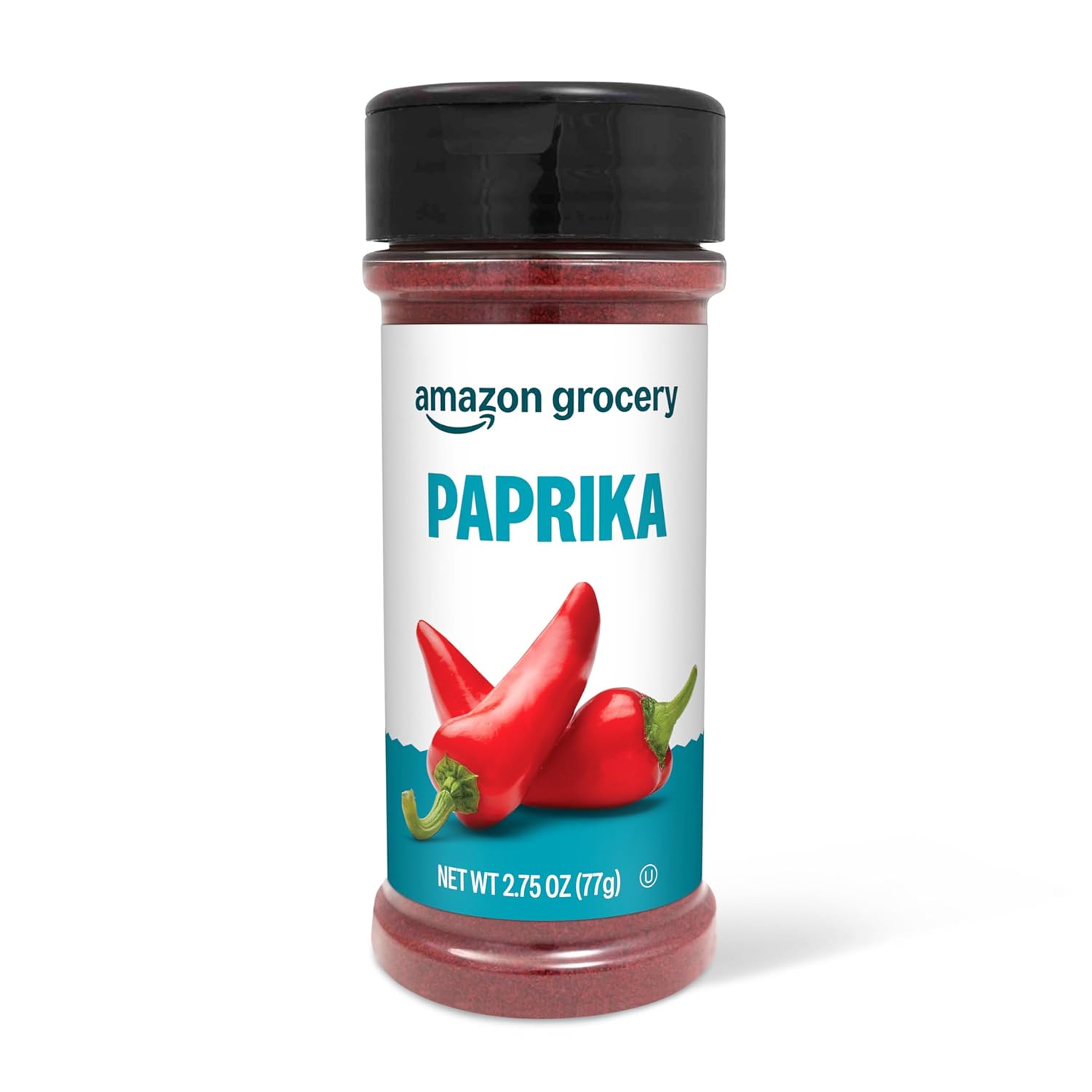
Amazon Grocery, Paprika, 2.75 Oz
This is the plainest option in the lineup, positioned as a simple house-brand pantry staple. It’s unsmoked, mild, and inexpensive per ounce, functioning mostly as a reliable backup jar rather than a flavor highlight.
We used it interchangeably with Spice Classics in side-by-side tests and found the two performed almost identically — fine for color, unremarkable for flavor. If you’re restocking a basic pantry item without wanting to think too hard about it, this is a sensible, low-cost choice.
Pros
- Simple, affordable, easy repurchase through Amazon
- Consistent basic quality
Cons
- No smoke flavor
- Not a standout choice for anyone seeking bold flavor
Check Current Price
Smoked vs. Regular Paprika: When to Use Which
Half the brands in this roundup aren’t smoked at all, and that’s intentional — regular paprika and smoked paprika aren’t really substitutes for each other, they’re two different tools. Regular paprika, whether Hungarian sweet or a standard domestic bottle, is mostly about color and a mild, fruity background flavor. It’s what you dust over deviled eggs or potato salad for visual appeal without adding much taste.
Smoked paprika, on the other hand, is a flavor-forward ingredient in its own right. A teaspoon bloomed in hot oil can define the character of an entire dish — think Spanish rice, chorizo, romesco sauce, or a barbecue rub. Using smoked paprika where a recipe calls for regular paprika can overwhelm a dish with unexpected smokiness, while using regular paprika where smoked is expected leaves a dish tasting flat and one-dimensional. Reading the recipe carefully, and keeping both types on hand, solves this problem entirely.
Common Mistakes Home Cooks Make With Smoked Paprika
Even good paprika can underperform if a few common habits creep into how it’s used. These are the mistakes we saw make the biggest difference during testing.
Scorching it in the pan
Ground paprika contains natural sugars and oils that burn quickly over high heat. Adding it directly to a screaming-hot dry pan, rather than warm oil, is the single most common cause of the bitter, acrid taste people sometimes blame on the spice itself rather than the technique.
Buying a jar that’s already old
Grocery store spice aisles don’t always move fast, and a bottle can sit on a shelf for a year or more before it’s purchased. Smelling the jar before buying, when possible, or checking for a recent packaging date, helps avoid starting with a spice that’s already lost half its punch.
Using the wrong type for the dish
Reaching for a hot smoked paprika in a recipe that expects the mild, sweet dulce style (or vice versa) throws off the balance of an entire dish. Always check which style a recipe assumes before substituting whatever happens to be in the cabinet.
Storing it above the stove
It’s a classic kitchen design choice, but the spot directly above a stove is one of the worst places to keep paprika, since heat rising from cooking steadily degrades both color and aroma over time, even with the lid on tight.
Skipping the bloom step
Sprinkling raw paprika onto a finished dish gives a milder, less integrated flavor than blooming it briefly in warm oil first. For dishes where paprika is a lead flavor rather than a garnish, that extra 30 seconds in the pan makes a real difference.
Three Simple Recipes to Put Your Smoked Paprika to Work
Smoky Roasted Potatoes
Toss quartered baby potatoes with olive oil, a generous teaspoon of smoked paprika per pound, a pinch of garlic powder, and salt. Roast at a high oven temperature, around 425°F, until the edges are deeply golden and crisp, tossing once halfway through. The smoked paprika caramelizes slightly in the oven, giving the potatoes a color and aroma closer to a wood-fired dish than a simple roast.
Quick Spanish-Style Rice
Bloom a tablespoon of smoked paprika and a diced onion in olive oil for a couple of minutes until fragrant, then stir in rice, a can of diced tomatoes, chicken or vegetable stock, and a pinch of saffron or turmeric for color if desired. Simmer covered until the rice is tender. This is a fast weeknight approximation of the flavors found in paella, and it’s a good showcase for how much a well-chosen smoked paprika can carry a simple dish. For anyone leaning further into saffron-based cooking, our guides to the best saffron brands and how to tell if saffron is real are worth reading before that next grocery run.
Smoky Barbecue Dry Rub
Combine two tablespoons smoked paprika, one tablespoon brown sugar, one tablespoon salt, a teaspoon each of garlic powder, onion powder, and freshly ground black pepper, and a half teaspoon of cayenne for heat if desired. Rub generously over chicken, pork, or a rack of ribs before grilling or smoking low and slow. The sugar helps the rub caramelize into a deep, appealing crust as it cooks.
Nutritional Notes and Health Considerations
Paprika, smoked or otherwise, is used in small enough quantities that it isn’t a major source of calories or nutrients in most diets, but it does contain notable amounts of vitamin A and carotenoid compounds, which are responsible for its deep red color. Smoked varieties don’t differ meaningfully in nutrition from unsmoked ones, since the smoking process primarily affects flavor and aroma compounds rather than the underlying nutrient content of the pepper.
Some smoked paprika products are processed in facilities that also handle other spices, nuts, or gluten-containing ingredients, so anyone with significant allergies should check individual product labeling rather than assuming all paprika is produced identically. Beyond that, paprika is a low-risk, widely tolerated spice that most people can use freely as part of a varied diet.
Storage and Shelf Life Tips
Paprika, smoked or not, loses potency faster than people expect because its color and aroma both come from volatile, light-sensitive compounds. A few habits noticeably extend how long a jar stays vibrant:
- Keep it out of direct light. A cabinet or drawer beats an open spice rack next to a sunny window.
- Keep it away from the stove. Heat accelerates flavor loss, so store it a shelf or two away from the burners, not directly above them.
- Buy smaller quantities more often. Paprika is at its best within about six months of grinding; buying a giant tin that sits for two years isn’t actually a bargain.
- Reseal tightly after every use. Tins and screw-top bottles both work fine as long as the lid actually seals; a loose cap lets aroma escape steadily.
For a broader system, our guide on how to store bulk spices covers container choices and rotation habits that apply just as well to paprika as to anything else in the cabinet, and organizing spices in the kitchen is worth a look if your paprika keeps getting buried behind other jars. Labeling jars with a purchase or grind date, as covered in how to label spice jars, is a small habit that makes it much easier to spot when a bottle is due for replacement instead of guessing based on memory alone.
A simple freshness test worth doing every few months: rub a small pinch of paprika between your fingers and smell it immediately. If the aroma is faint, dusty, or barely noticeable, the flavor compounds have likely broken down significantly, even if the color still looks fine in the jar. Color tends to fade more slowly than aroma, so relying on looks alone can be misleading when judging whether it’s time to restock.
Best Ways to Cook With Smoked Paprika
Blooming in oil
Adding smoked paprika to hot oil for 20–30 seconds before other ingredients go in releases its full aroma and deepens the color of the finished dish. This is the classic first step in Spanish rice and many chorizo-based dishes.
Dry rubs
Combined with salt, brown sugar, garlic powder, and black pepper, smoked paprika forms the backbone of most American-style barbecue rubs, giving grilled or smoked meat a deep reddish crust and smoky aroma even before it hits the fire.
Finishing dust
A light sprinkle over deviled eggs, hummus, roasted cauliflower, or a bowl of soup adds color and a final aromatic hit right before serving, when the spice is at its most fragrant.
Stews and braises
In slow-cooked dishes like goulash or braised chicken, smoked paprika mellows and blends into the sauce over time, contributing warmth without ever tasting sharp or raw.
Spices that pair well with smoked paprika
Smoked paprika tends to play best with warm, earthy companions rather than bright, sharp ones. Garlic and onion powder are the most obvious partners, but cumin, oregano, and a touch of cinnamon can round out a rub or braise in ways that highlight the smoke rather than compete with it. In sweeter applications, a small pinch alongside cinnamon or nutmeg can add unexpected depth to roasted squash or sweet potatoes. Turmeric is sometimes used alongside smoked paprika purely for color reinforcement in rice dishes, since the two combine into a deeper, richer red-gold than either spice achieves alone; our best turmeric powder guide covers brands that work well for that purpose.
Vegetarian and vegan uses
Smoked paprika is a favorite among plant-based cooks specifically because it mimics some of the savory, smoky depth normally associated with bacon or grilled meat. A teaspoon stirred into roasted chickpeas, lentil soup, or a cashew-based queso can add a meaty, satisfying backbone without any animal products at all, which is part of why it shows up so often in vegan barbecue and Tex-Mex-inspired recipes.
Grinding, Freshness, and Related Tools
Most smoked paprika is sold pre-ground, which is convenient but means the clock on freshness starts ticking the moment it’s processed. Cooks who want maximum flavor sometimes buy whole dried smoked peppers and grind them fresh in small batches. If that sounds appealing, our guide to the best spice grinder walks through the top options, and how to use a spice grinder covers technique for getting an even, fine powder without scorching the peppers.
For those without a dedicated grinder, grinding spices without a grinder outlines workarounds using tools already in most kitchens. And if you’re debating whether a grinder is worth the investment at all, whole spices vs. pre-ground breaks down the flavor and cost trade-offs in more detail.
One thing worth knowing before grinding dried smoked peppers at home: the oils they release can cling stubbornly to a grinder’s interior and carry over into the next spice you process, which is a common complaint among people who also use the same tool for coffee or milder spices. If that’s a concern, how to clean a spice grinder and remove odor and getting smell out of a spice grinder using rice or bread both cover practical fixes. Choosing between a blade and burr mechanism also matters for how evenly the paprika grinds; our blade vs. burr grinder comparison explains the difference, and spice grinder dos and don’ts is a good general reference for avoiding common mistakes with any electric grinder.
If you’d rather keep things simple and low-tech, a mortar and pestle or a dedicated manual spice grinder both work well for the relatively small batches most home cooks need, without the cleanup that comes with an electric appliance.
Frequently Asked Questions
What’s the difference between paprika and smoked paprika?
Regular paprika is made from dried, ground peppers with no smoking step, giving a mild, sweet flavor and bright red color. Smoked paprika, particularly Spanish pimentón, is made from peppers slow-smoked over oak before grinding, which adds a deep, campfire-like flavor that regular paprika doesn’t have.
Is smoked paprika the same as chipotle powder?
No. Chipotle powder is made from smoked, dried jalapeños and carries real heat along with the smoke. Smoked paprika, especially the sweet (dulce) variety most common in the US, is typically mild with little to no heat, even though both share a smoky aroma.
Can I substitute regular paprika for smoked paprika?
You can in a pinch for color, but you’ll lose the smoky flavor entirely. If a recipe leans on smoked paprika for its character, such as a barbecue rub or Spanish rice, the dish will taste noticeably flatter with a plain substitute.
Which smoked paprika is closest to authentic Spanish pimentón?
Among the brands reviewed here, La Dalia Authentic Spanish Smoked Paprika most closely matches traditional oak-smoked pimentón in aroma and depth, thanks to sourcing and processing methods rooted in the La Vera region.
Does smoked paprika go bad?
It doesn’t spoil in a way that’s unsafe to eat, but it does lose potency and aroma over time, typically becoming noticeably duller within six months to a year, especially if stored near heat or light.
How much smoked paprika should I use in a recipe?
A good starting point is one to two teaspoons per pound of protein in a rub, or one teaspoon per two to three servings in a rice or stew dish, adjusting to taste since smoke intensity varies noticeably between brands.
Is smoked paprika spicy?
Most smoked paprika sold in the US is the sweet (dulce) style and isn’t spicy at all. Hot (picante) smoked paprika exists and does carry real heat, so it’s worth checking the label if spice level matters for your dish.
What dishes use smoked paprika most often?
Spanish rice, patatas bravas, romesco sauce, chorizo-based dishes, paella, and American barbecue rubs are among the most common uses, though it also works well simply sprinkled over roasted vegetables or deviled eggs.
Is smoked paprika gluten-free?
Pure smoked paprika made only from peppers is naturally gluten-free. It’s still worth checking individual labels for anti-caking agents or processing facility notes if you have a serious gluten allergy.
Why does my smoked paprika taste bitter after cooking?
Paprika, like many ground spices, can turn bitter if it’s exposed to high heat for too long without enough moisture or fat, essentially scorching. Blooming it briefly in oil over medium heat, rather than high heat for an extended time, avoids this.
Should I buy whole dried smoked peppers instead of ground paprika?
Whole peppers ground fresh at home will generally taste more vibrant than pre-ground powder that’s been sitting on a shelf, but they require a grinder and more prep time. For most home cooks, a good pre-ground brand is a perfectly reasonable trade-off for convenience.
Does the color of paprika indicate its quality?
Generally yes — a deep, rich red to burgundy color usually indicates a higher-quality pepper and a well-controlled drying or smoking process, while pale, orange, or brownish powder often signals lower quality or an older batch.
Can I make my own smoked paprika at home?
It’s possible with a smoker or grill and whole dried peppers, though it takes patience since traditional oak smoking happens gradually over one to two weeks. A faster home approach involves cold-smoking dried peppers for several hours before grinding, which won’t fully replicate a DOP-certified pimentón but can still produce a noticeably smoky result for anyone who enjoys that kind of kitchen project.
Is it normal for smoked paprika to clump in the jar?
Some clumping is normal, especially in humid climates, since paprika absorbs moisture from the air easily. Light clumping that breaks apart with a spoon isn’t a problem, but hard, solid clumps or visible mold are signs the jar has been exposed to moisture and should be discarded.
Final Verdict
If you only buy one jar from this list, La Dalia Authentic Spanish Smoked Paprika delivers the most genuine, restaurant-quality smoke flavor and is worth the modest price bump for anyone serious about Spanish or barbecue cooking. For an easier-to-find, more budget-friendly everyday option, McCormick Smoked Paprika and Badia Smoked Paprika both perform reliably without breaking the bank. And if your cooking leans more toward color and mild seasoning than bold smoke, any of the unsmoked options — Simply Organic, iSpice Szeged, or Spice Classics — will serve that purpose well.
Whichever jar ends up in your pantry, the biggest single upgrade most home cooks can make is simply checking whether “smoked” is actually on the label before assuming that’s what they’re getting — and replacing the bottle every six months to a year so the flavor stays where it should be: front and center in the dish, not a faint memory of what it used to smell like.
Shop the Top Pick on Amazon