What Is Sumac Spice? The Tart, Ruby-Red Seasoning Explained
Origins, flavor, uses, substitutes, buying tips, and everything else you need to know before you shake it over your next meal.
What Is Sumac Spice?
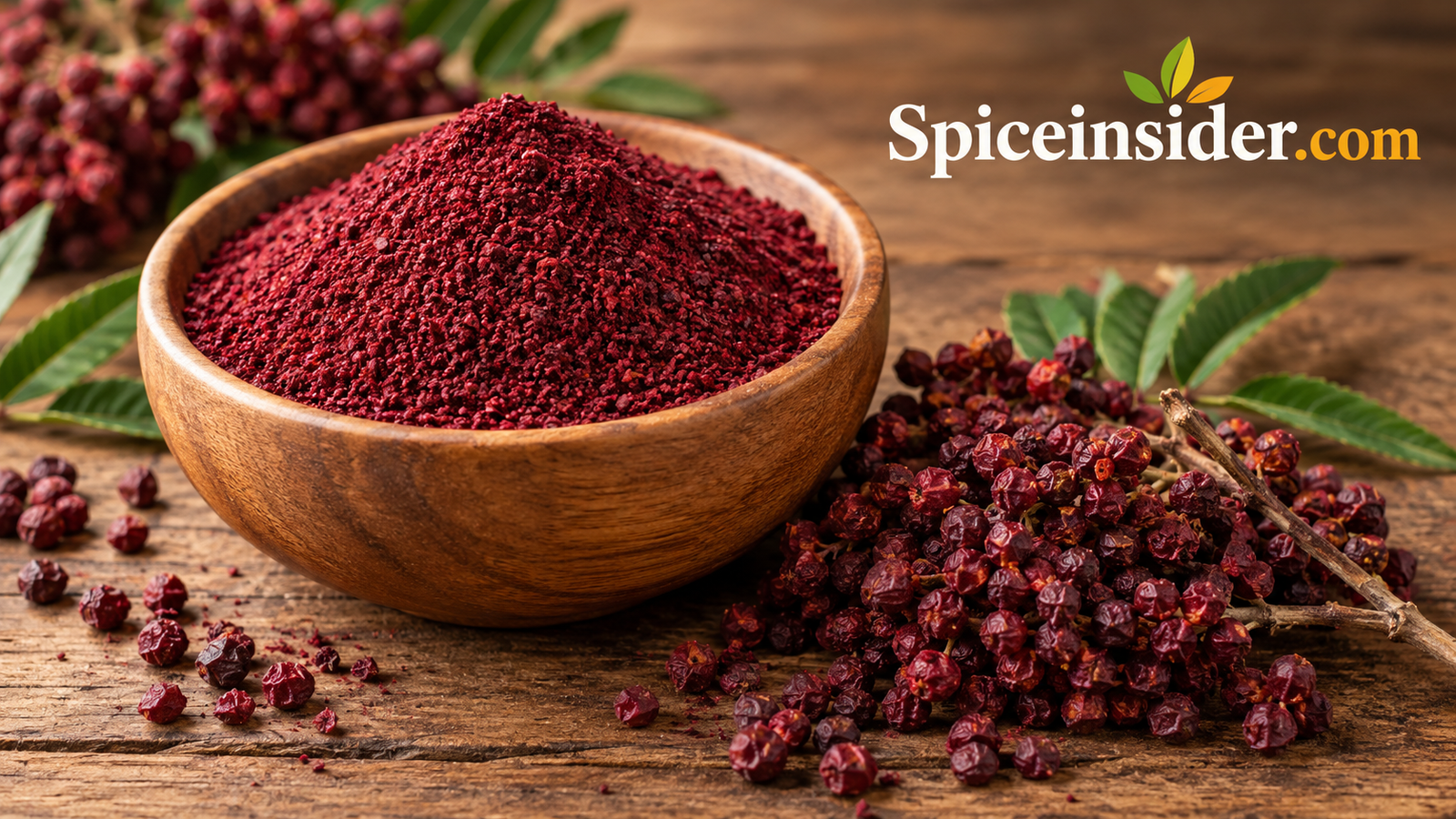
Sumac is a deep red, coarse powder made from the dried and ground berries of the sumac shrub, most often Rhus coriaria. It tastes tart, fruity and lemony, and cooks across the Middle East and Mediterranean use it to add sourness and color to food.
If you have ever eaten a plate of hummus finished with a dusting of crimson powder, or a bowl of fattoush with a sharp, bright edge you could not quite name, you have probably tasted sumac. It is one of those seasonings that feels unfamiliar to many home cooks in the West but is completely ordinary in kitchens from Beirut to Istanbul to Tehran. Once you know what it does, it is hard to stop reaching for it.
The spice comes from small, fuzzy, reddish berries that grow in dense clusters on a flowering shrub. Strictly speaking the “berries” are drupes, tiny fruits with a single seed inside. They are harvested, dried, and usually ground, and the result is a coarse, slightly moist powder that ranges in color from brick red to a deep burgundy purple. The color alone makes it a favorite finishing spice, but the real magic is the flavor: a clean, natural sourness that works a bit like lemon juice, except it arrives as a dry seasoning.
That dry sourness is what makes sumac so useful. You can sprinkle it over a salad without making it soggy, rub it onto meat without adding moisture, or stir it into yogurt without thinning it out. It also brings a subtle fruitiness and a hint of earthy astringency that plain lemon simply does not have. Think of it as citrus with more depth and none of the liquid.
In this guide we will walk through everything worth knowing: where sumac comes from, what it tastes like, how it is made, what the different types are, how to cook with it, what to substitute if you run out, and how to buy and store it so it stays vivid and flavorful. If you are building out a well-stocked spice shelf, sumac deserves a spot right alongside familiar staples like turmeric and smoked paprika.
Ready to try it? Compare ground sumac options and find a fresh, vibrant jar.
Shop Ground Sumac on AmazonWhere Sumac Comes From: Plant, Origins and History
The spice most people mean when they say “sumac” comes from Rhus coriaria, sometimes called Sicilian sumac, elm-leaved sumac or tanner’s sumac. It is a shrub or small tree that thrives in dry, rocky, sun-drenched soil. Its native range stretches across the Mediterranean basin and into western Asia, which is why the seasoning is so closely tied to the cooking of Turkey, Lebanon, Syria, Palestine, Iran, Iraq and parts of southern Italy.
The name itself points to the spice’s homeland. It is generally traced back to an Aramaic and Arabic root associated with the color red, which is a fitting label for something that looks like crushed rubies. In Turkish it is known as sumak, in Persian as somagh, and in Arabic as summaq. Different languages, same cluster of red berries.
A souring agent before lemons
Long before lemons were widely grown and traded across the Mediterranean, cooks needed a way to make food taste sour. Sumac was one of the answers. Historical accounts describe it being used in Roman-era kitchens as a souring agent, and it remained a dependable source of acidity across the region for centuries. Lemons eventually became common, but sumac never disappeared. It kept its place because it does something lemon cannot: it delivers tang in a dry, shelf-stable form with its own distinct character.
More than a seasoning
Sumac has also been valued for reasons beyond the kitchen. The leaves and bark of the plant are rich in tannins, and in parts of the Mediterranean the shrub was traditionally used in leather tanning and dyeing. Traditional folk practices in various cultures used the berries as a cooling drink or a household remedy. It is worth being careful here: those are historical uses, not medical claims, and we will look at what is actually known about sumac’s nutrition later in this article.
Sumac in North America
Several other sumac species grow wild across North America, including staghorn sumac (Rhus typhina) and smooth sumac (Rhus glabra). Their red berry clusters are edible and have long been used by foragers to make a tart, pink “sumac-ade” by steeping the berries in cold water. These wild relatives are not identical to the Mediterranean spice, but they share the same sour, fruity backbone. Importantly, they are not the same plant as poison sumac, which we address in the safety section below.
Want to taste the traditional version? Browse authentic Middle Eastern sumac.
Find Middle Eastern SumacWhat Does Sumac Taste Like?
The simplest description is tart and lemony, but that only tells part of the story. Good sumac has layers. The first impression is a bright, mouth-watering sourness. Right behind it comes a gentle fruitiness, somewhere between cranberry and sour cherry. Then a soft, earthy, slightly woody note settles in, with a mild astringency that dries the palate a little, similar to strong black tea or an unripe grape.
Unlike hot spices, sumac does not burn. It is not pungent like black pepper or fiery like chili. It is a sour spice, and that sourness is clean rather than harsh. Most people find it milder and rounder than lemon juice, and it tends to linger pleasantly instead of hitting all at once.
Why it tastes sour
The tang comes primarily from organic acids, especially malic acid, the same acid that gives green apples their bite. That is why sumac reads as fruity sour rather than sharply acidic. The astringent, drying sensation comes from tannins naturally present in the berries. Together, these compounds give sumac its distinctive personality.
How the flavor changes with heat
Sumac is at its best when it is used raw or added near the end of cooking. Prolonged high heat mutes the bright, fruity top notes and leaves a duller, more tannic flavor behind. That does not mean you can never cook with it, but it does mean that the most vivid results come from finishing dishes with it or adding it to marinades and dressings where it can soften without being scorched.
Sumac compared with familiar sour ingredients
| Ingredient | Form | Type of sourness | Best use |
|---|---|---|---|
| Sumac | Dry, coarse powder | Fruity, tart, mildly astringent | Finishing, rubs, dressings, yogurt |
| Lemon juice | Liquid | Sharp, bright, fresh | Dressings, marinades, drinks |
| Lemon zest | Fresh peel | Aromatic, oily, less sour | Baking, seasoning, garnish |
| Amchur (dried mango) | Dry powder | Sweet-sour, fruity | Indian curries and chaats |
| Tamarind | Paste | Deep, sticky, sweet-sour | Sauces, chutneys, stews |
| Vinegar | Liquid | Sharp, sometimes pungent | Pickling, dressings |
The takeaway is that sumac occupies a unique spot. It is one of the few sour ingredients that is both dry and colorful, which is why it is as much a visual finishing touch as a flavor one.
Taste the difference a fresh, fruity sumac makes on your food.
See Organic Sumac PowderHow Sumac Is Made: From Shrub to Spice Jar
The journey from plant to pantry is refreshingly simple, which is part of why sumac has stayed an unfussy, traditional ingredient for so long.
- Harvest. The berry clusters are picked when they are fully ripe and deeply colored, typically in late summer to early autumn depending on the region.
- Drying. The clusters are dried, often in the sun or in shaded, ventilated spaces, until the berries are brittle enough to grind. Careful drying protects the color and prevents mold.
- Separating. The dried berries are separated from the stems. Some producers also remove a portion of the seeds because they are hard and slightly bitter.
- Grinding. The berries are crushed or ground into a coarse powder. Because the fruit contains natural oils and moisture, the powder is often a little clumpy and damp rather than dusty and dry.
- Sometimes salting. In some regions producers mix a small amount of salt into the ground product to help preserve it or to suit local taste. This is not universal, and it matters when you cook, as we cover in the buying guide.
Seeds in or seeds out?
Seeds are a real quality question. The seeds inside the drupes are hard and contribute a sharper, more bitter, oilier taste. Some traditional sumac is ground whole, seeds included. Higher-end versions often use mostly the fleshy outer fruit, which produces a smoother, more purely tart flavor and a brighter color. If a jar feels gritty, dark and a little bitter, seeds may be the reason.
Why the texture is different from other spices
Do not expect sumac to flow like fine paprika. Its natural oils and moisture give it a slightly clumping, almost sandy texture. That is normal and a sign of freshness rather than a defect. If the powder is bone dry, pale and powdery, it may be old.
Prefer to grind your own? Look at whole and coarse-ground sumac options.
Shop Whole Sumac BerriesTypes and Forms of Sumac
When you start shopping, you will see sumac sold in several forms. Understanding the differences helps you pick what suits your cooking.
Ground sumac
This is the everyday form found in most stores. It is convenient, ready to shake, and works in nearly every recipe. Quality varies widely, so color and aroma are your best guides.
Whole or coarsely crushed sumac
Whole dried berries are less common, but they keep their flavor longer and can be ground fresh. If you enjoy the difference between grinding whole spices and buying pre-ground, sumac follows the same rule: freshly ground has more punch. You can crush berries with a good mortar and pestle or a manual spice grinder.
Sumac paste and syrup
In some regions the berries are soaked and reduced into a concentrated tangy syrup, sometimes used like pomegranate molasses. It is less common in Western grocery stores but appears in Middle Eastern markets.
Salted versus unsalted sumac
Some jars contain added salt, while others are pure ground berries. Check the ingredient list. Pure sumac gives you full control over seasoning, while salted sumac can quietly push a dish over the edge if you also salt as usual.
Sumac species and origins at a glance
| Type | Typical origin | Use | Notes |
|---|---|---|---|
| Rhus coriaria | Turkey, Lebanon, Iran, Sicily | Culinary spice | The classic sumac of Middle Eastern cooking |
| Staghorn sumac | North America | Foraged drinks, home seasoning | Related, tart, more variable flavor |
| Smooth sumac | North America | Foraged drinks | Edible berries, less commonly sold as spice |
| Poison sumac | Swampy areas of North America | Never edible | Different plant with white berries; can cause severe skin reactions |
Quick identifier: edible sumac berries are red and grow in upright, fuzzy, cone-like clusters. Poison sumac has drooping clusters of whitish berries and grows in wet areas. If you forage, never guess.
Not sure which style fits your kitchen? Compare pure and blended sumac.
Compare Pure Sumac JarsNutrition and Wellness Notes
Because sumac is used in small quantities, it is not going to transform your diet the way a bowl of vegetables would. A teaspoon adds negligible calories and a tiny amount of fiber. Its real appeal is flavor: it lets you season food with sourness and depth without adding fat, sugar or much sodium, provided you pick an unsalted product.
What is in sumac
Sumac berries are known to contain polyphenols, including tannins, flavonoids and phenolic acids, which give them their color and astringency. They also contain organic acids such as malic acid. These plant compounds are the subject of ongoing laboratory and small clinical research on antioxidant activity and blood sugar response, but the findings so far do not support sweeping health claims for the amounts a person actually sprinkles onto dinner.
A sensible perspective
The honest way to think about sumac is as a smart seasoning choice rather than a supplement. Using it to replace a portion of salt or sugary dressings can be a small, practical win. Anyone managing a medical condition, taking medication, or considering sumac in concentrated supplement form should talk to a doctor or registered dietitian first.
Why cooks love it
- Adds tang without extra liquid
- Brings vivid red color to plain dishes
- Pairs with meat, fish, vegetables, dairy and grains
- Lets you reduce salt in many recipes
- Shelf-stable and easy to use
Things to watch
- Quality and freshness vary widely
- Some jars contain added salt
- Can turn dull and tannic if overcooked
- May trigger reactions in people allergic to related plants
- Harder to find in some grocery stores
Looking for a clean, additive-free jar to keep on your shelf?
Browse Clean Sumac OptionsHow to Cook With Sumac
The great thing about sumac is that it rewards experimentation and forgives beginners. There are really four ways to use it, and each teaches you something about how it behaves.
1. As a finishing spice
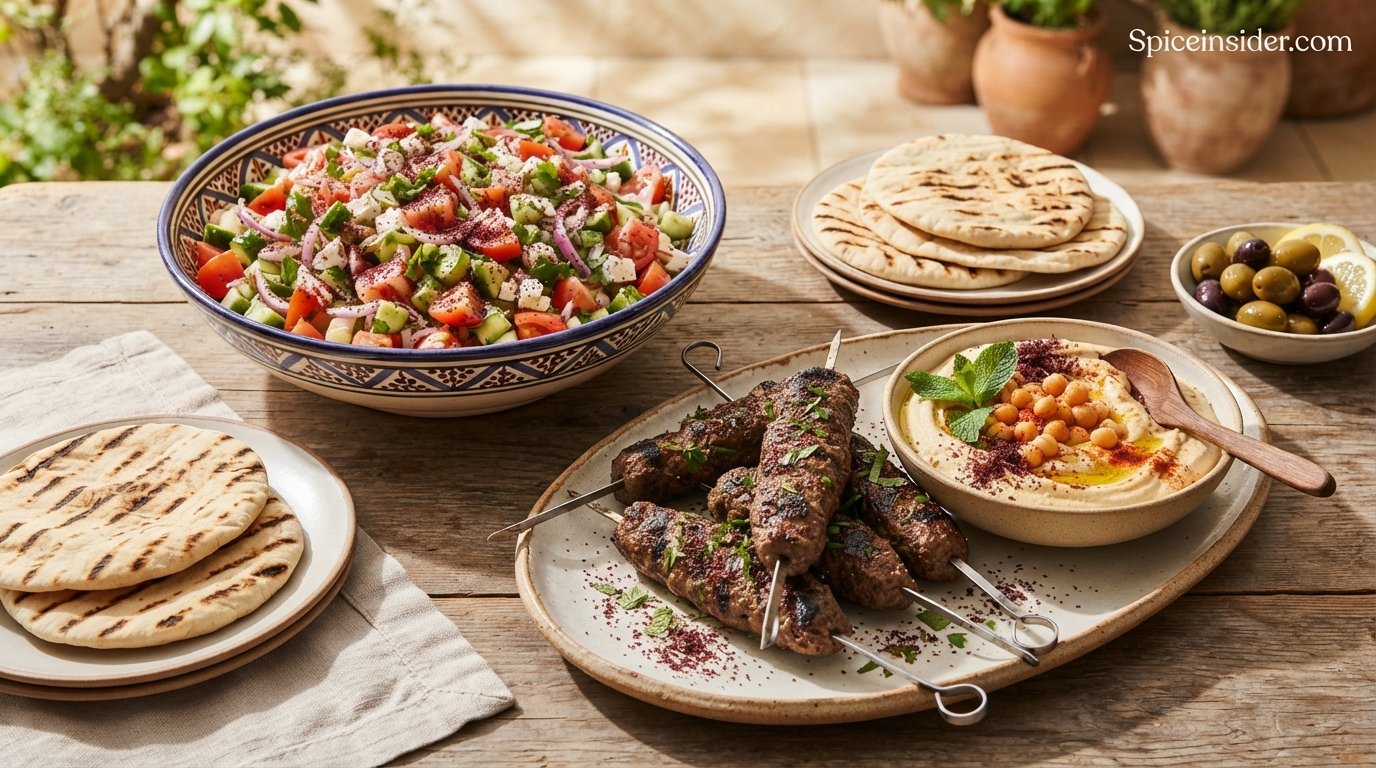
This is the easiest and most rewarding use. Sprinkle sumac over food just before serving so its color and freshness stay intact. It looks beautiful over hummus, baba ganoush, labneh, fried eggs, avocado toast, roasted cauliflower, grilled fish and salads.
2. In dry rubs and marinades
Mix sumac with olive oil, garlic, cumin, black pepper and a little salt to make a fragrant rub for chicken, lamb, beef or fish. The acidity gently seasons the surface and pairs well with charred flavors. Because sumac is not a strong tenderizer the way acidic liquids can be, it is safe for delicate proteins.
3. In dressings and dips
Stir a teaspoon or two into olive oil and lemon juice for a bright vinaigrette, or fold it into yogurt for a cooling sauce. Give it a few minutes to hydrate and bloom before serving because the flavor deepens as it softens.
4. In cooked dishes and sauces
Sumac can go into stews, rice, lentils and braises, but add it late in cooking so it does not lose its fruitiness. A common approach is to use some during cooking for background tartness and reserve a pinch for the top.
How much should you use?
Start modestly. A good starting point is around half a teaspoon per serving as a finishing spice, or a teaspoon or two per pound of protein in a rub. Taste, then adjust. Because sumac sours without adding liquid, it is easy to build up tang gradually.
Prepping your spices for the best flavor
If you are blending sumac with other seasonings, consider toasting whole spices before grinding such as cumin and coriander, then adding the sumac afterward, since delicate sumac does not want the same heat. If you make blends often, a dependable spice grinder makes the job faster, and if you need ideas on what to use when you do not own one, see this guide on grinding spices without a grinder. For robust blends heavy on Eastern flavors, this roundup of the best grinder for Indian spices is also helpful.
Build a simple Middle Eastern spice shelf around sumac.
Shop Middle Eastern Spice SetsClassic Dishes and Blends That Feature Sumac
Sumac is not an occasional guest in Middle Eastern cooking. It anchors some of the region’s most beloved dishes and blends.
Za’atar
The famous za’atar blend combines dried thyme or wild oregano, toasted sesame seeds, salt and sumac. Recipes vary by country and family, but sumac is the ingredient that gives many versions their tang and reddish tint. Mix it with olive oil, spread it on flatbread, and bake for a classic breakfast.
Fattoush
This Levantine bread salad of cucumbers, tomatoes, radishes, herbs and crisp pita is dressed with olive oil, lemon and a generous hand of sumac. The spice is essentially the salad’s signature.
Musakhan
A Palestinian dish of roasted chicken layered over flatbread with sweet caramelized onions, olive oil and plenty of sumac. The tartness cuts through the richness of the onions and the chicken.
Kebabs and grilled meats
In Turkey and Iran, sumac is often served alongside kebabs, sometimes sprinkled over raw onions as a garnish. The combination of charred meat, sharp onion and sour sumac is a perfect balance of richness and brightness. In Iranian restaurants you may find a small shaker of sumac on the table for rice and kebab.
Dips, eggs and everyday dishes
Beyond the classics, sumac is delicious on hummus, labneh, roasted vegetables, potato wedges, popcorn, grilled halloumi, sunny-side-up eggs and even fruit such as melon. It also plays well in cocktails and lemonade-style drinks where a dry, tart accent is welcome.
Pairing ideas at a glance
| Food | How to use sumac | Pairs well with |
|---|---|---|
| Chicken | Rub before roasting, dust after | Garlic, olive oil, cumin, onion |
| Fish | Light coating before grilling | Lemon, dill, parsley |
| Salads | Whisk into dressing or sprinkle on top | Cucumber, tomato, mint |
| Yogurt and labneh | Stir in or swirl on top | Olive oil, herbs, garlic |
| Roasted vegetables | Toss after roasting | Cauliflower, carrots, eggplant |
| Eggs | Dust over cooked eggs | Avocado, feta, chili flakes |
If you enjoy exploring spice blends beyond the Middle East, you might also like learning what is in pumpkin pie spice to see how different traditions combine flavors, or read about Ceylon versus cassia cinnamon for another lesson in how origin changes taste.
Make authentic za’atar at home with quality sumac and thyme.
Shop Za’atar BlendsSumac Substitutes: What to Use When You Run Out
Sooner or later you will be halfway through a recipe and find the jar empty. No single ingredient perfectly replicates sumac, but several come close depending on the dish.
Lemon zest with a squeeze of juice
This is the most accessible option. Use about the same amount of zest as the sumac called for, and add a little lemon juice if you need extra tang. You will gain aroma and lose the fruity depth and the red color.
Lemon pepper
In a pinch, lemon pepper offers citrus flavor with a dry texture, though it is saltier and includes black pepper. Reduce other salt in the recipe.
Amchur (dried mango powder)
Amchur is a dry, sour powder used in Indian cooking. It is sweeter and fruitier than sumac, but it works well in marinades and rubs.
Tamarind paste
Tamarind is deeper, stickier and more sweet-sour. It is better for sauces and stews than for finishing.
Za’atar
Because za’atar typically contains sumac, it can stand in for some dishes, but it adds thyme, sesame and salt, so treat it as a different seasoning rather than a direct swap.
| Substitute | Ratio for 1 tsp sumac | Best for | Trade-off |
|---|---|---|---|
| Lemon zest | 1 tsp (plus juice if needed) | Salads, fish, dips | Less fruity, no red color |
| Lemon pepper | 1 tsp, reduce salt | Chicken, vegetables | Salty and peppery |
| Amchur | 1/2 to 1 tsp | Rubs, marinades | Sweeter, different character |
| Tamarind paste | 1/2 tsp, dissolved | Stews and sauces | Sticky, darker, stronger |
| Za’atar | 1 to 2 tsp | Flatbreads, eggs | Adds thyme, sesame, salt |
Color trick: if you need the red hue, add a tiny pinch of paprika alongside your lemon-based substitute. It will not replicate the flavor, but it helps the plate look right.
Keep a backup souring spice on hand for busy weeknights.
Explore Sour SpicesHow to Buy Good Sumac
Because sumac is not standardized the way some spices are, a few minutes of label reading and a quick look at the jar can save you from a dull, disappointing purchase.
What to look for
- Color: A rich, deep red to burgundy is a good sign. Brownish or pale, faded powder suggests age or poor drying.
- Texture: Slightly moist, coarse and a little clumpy is normal. Bone-dry dust usually is not.
- Aroma: It should smell fruity and tart. A musty, stale, or almost no smell means it has faded.
- Ingredients: Ideally just sumac. If salt is listed, factor it into your seasoning.
- Packaging: Opaque or dark containers and resealable bags protect against light and air.
- Origin and brand transparency: Producers that state where the sumac was grown and when it was packed tend to be more reliable.
Where to buy
Middle Eastern grocery stores are often the best in-person source for fresh, well-priced sumac. Specialty spice shops and online retailers are other reliable choices, and many mainstream supermarkets now carry it in the international or spice aisle. For saffron and other premium spices, checking sourcing matters even more, as explained in our overview of the best saffron brands, and the same buying instincts apply to sumac.
Budget versus premium
| Factor | Budget jar | Premium jar |
|---|---|---|
| Color | Often duller, browner | Vibrant, deep red |
| Seeds | Frequently included | Often reduced or removed |
| Salt | More likely to be added | Usually pure |
| Flavor | Flatter, sometimes bitter | Bright, fruity, balanced |
| Price per ounce | Lower | Higher, but you use little |
Since a small amount goes a long way, spending a little more for a fresher, purer jar is usually worth it.
Skip the guesswork and compare top-rated sumac jars side by side.
See Top-Rated SumacStoring and Grinding Sumac So It Stays Fresh
Sumac keeps well, but it is not immortal. Light, heat, air and moisture are its enemies, and treating it properly preserves both flavor and color.
Best storage practices
- Keep it in an airtight container away from the stove, oven and sunny windows.
- Choose a cool, dark cabinet or drawer.
- Use a clean, dry spoon rather than shaking directly over steaming pots, which introduces moisture.
- Buy quantities you will use within a reasonable window. Ground sumac is generally best within a year or so, while whole berries can last longer.
If you buy in larger quantities, our guide to storing bulk spices covers containers and habits that work for many pantry items. And if your shelf is getting crowded, you may want to explore the best spice organizers, learn how to organize spices in your kitchen, and pick up tips on how to label spice jars so you always know what you are grabbing and when you bought it.
How to tell it has gone stale
Faded color, little to no aroma, and a flat, dusty taste all signal that your sumac has passed its peak. It will not usually become unsafe if stored dry, but it will stop delivering the bright tartness you want. Clumps that smell musty or show fuzzy growth mean moisture got in and it should be thrown away.
Grinding whole sumac at home
Whole berries can be crushed in a mortar or pulsed briefly in a grinder. Use short bursts so the natural oils do not turn the powder into a paste, and sift out any large seed fragments if you want a smoother result. There is also a useful comparison of blade versus burr grinders for spices if you are deciding which tool fits your habits.
Protect your spice collection with airtight jars and clear labels.
Shop Airtight Spice JarsSafety, Allergies and Common Mistakes
Is sumac safe to eat?
Culinary sumac used in normal food amounts is widely considered safe and has been eaten for centuries. The key is knowing what you are buying and using the right plant.
Sumac versus poison sumac
The word “sumac” causes understandable worry because of poison sumac (Toxicodendron vernix), which is a different plant entirely. Poison sumac grows in wet, swampy places, has drooping white or grayish berries and can cause an itchy rash similar to poison ivy. Edible sumac has upright clusters of red berries and grows in dry conditions. Commercially sold sumac spice comes from edible species, so you do not need to worry about the jar in your cabinet.
Allergy considerations
Sumac belongs to the Anacardiaceae family, which also includes cashews, mangoes and pistachios. People with allergies to these foods should talk to an allergist before trying sumac, because cross-reactions are possible. Anyone who notices itching, swelling or breathing difficulty after eating it should stop and seek medical help.
Medication and health cautions
If you are pregnant, managing blood sugar, taking blood thinners or have kidney concerns, do not assume that large or concentrated amounts of any plant product are harmless. Small culinary amounts are different from supplements, and a healthcare professional can advise you.
Common mistakes to avoid
- Cooking it too long. The result is a flat, tannic flavor.
- Ignoring hidden salt. Taste before adding more.
- Using it as a one-for-one replacement for lemon juice. It seasons; it does not add liquid.
- Storing it beside the stove. Heat and steam fade the color and flavor.
- Buying huge jars of poor quality. Freshness beats quantity.
- Using too much at once. Its astringency can dry your mouth if overdone.
Ready to season with confidence? Pick up a fresh jar and start small.
Get Fresh Sumac SeasoningFrequently Asked Questions About Sumac
What is sumac spice made from?
Sumac is made from the dried, ground berries of the sumac shrub, usually Rhus coriaria. The berries are harvested when ripe, dried, and crushed into a coarse red powder.
What does sumac taste like?
It tastes tart, fruity and lemony, with a slightly earthy, astringent finish. It is sour without being spicy or hot, and it leans more toward cranberry or sour cherry than sharp citrus.
Is sumac the same as poison sumac?
No. Poison sumac is a different plant with white berries that grows in swampy areas and can cause a skin rash. The sumac used as a spice comes from edible species with red berries and is safe to eat in normal food amounts.
What can I use instead of sumac?
Lemon zest with a little lemon juice is the closest everyday swap. Lemon pepper, amchur, tamarind paste and za’atar can also work depending on the recipe, though each changes the flavor slightly.
Is sumac spicy?
No. Sumac is tangy, not hot. It contains no capsaicin, so it will not add heat, though it pairs beautifully with chili if you want both sourness and spice.
How do you use sumac in cooking?
Sprinkle it over finished dishes, mix it into rubs and marinades, whisk it into dressings, or stir it into yogurt. Add it late in cooking to preserve its bright flavor.
Is sumac the same as za’atar?
No. Za’atar is a blend that typically includes thyme or oregano, sesame seeds, salt and sumac. Sumac is a single ingredient that gives many za’atar blends their tang.
Does sumac contain salt?
Pure sumac does not, but some brands add salt. Read the ingredient list, and taste before adding extra salt to your recipe.
How long does sumac last?
Ground sumac is usually best within about a year when stored airtight in a cool, dark place. Whole berries can stay flavorful longer. If the color has faded and the aroma is gone, it is time to replace it.
Can people with nut allergies eat sumac?
Sumac is related to cashews, mangoes and pistachios, so cross-reactions are possible for some people. Anyone with those allergies should check with an allergist before eating it.
Where can I buy sumac?
Look in Middle Eastern grocery stores, specialty spice shops, the international aisle of larger supermarkets, and online retailers. Choose a jar with deep red color, a fruity smell, and a short ingredient list.
Can I make a drink with sumac?
Yes. Steeping sumac in cold water and straining it makes a tart, pink drink often sweetened with a little honey or sugar. If you use foraged berries, be absolutely certain they come from an edible red-berried species.
Conclusion: Why Sumac Deserves a Place in Your Kitchen
Sumac is one of the most useful and underrated seasonings you can own. It is tart, fruity, beautifully colored and remarkably flexible, offering a dry, shelf-stable way to brighten everything from salads and grilled meats to eggs, dips and roasted vegetables. It has a long history in Mediterranean and Middle Eastern cooking, and its popularity elsewhere keeps growing for good reason.
The best way to understand it is simply to try it. Buy a fresh jar of pure sumac, sprinkle a little over hummus or a bowl of cucumbers and tomatoes, and notice how the whole dish wakes up. Store it well, add it late, and experiment with rubs and dressings. Before long you will find yourself reaching for it as naturally as you reach for lemon or salt.
If you are building out your spice setup, our guide to the best spice grinder is a good next stop.
Shop Sumac Spice on Amazon