How to Reduce Spice in Food: 12 Proven Ways to Tame Too-Hot Dishes
You reached for the chili flakes with confidence, and now your dinner is tearing up the whole table. Take a breath. Almost every over-spiced dish can be saved, and this guide walks you through exactly how, step by step, with the science behind each fix.
Why Food Turns Too Spicy (and Why It Is Fixable)
Every cook has done it. A heavy hand with cayenne, a habanero that was hotter than the label promised, a jar of chili paste that turned out to be a different beast from the one in the recipe. Suddenly a dish you were proud of is nearly inedible. Before you reach for the trash can, it helps to understand what you are actually fighting, because once you know the enemy, the solutions become obvious rather than random.
The burn in chili peppers comes from a family of compounds called capsaicinoids, with capsaicin the best known. Capsaicin does not actually taste like anything. Instead, it triggers a pain and temperature receptor in your mouth, the same one that reacts to real heat. Your brain reads the signal as burning, which is why spicy food makes you sweat and why your nose runs. The good news is that capsaicin has very specific chemical habits. It dissolves in fat and alcohol, it binds to certain proteins, and it can be masked, though never erased, by sweetness and acidity. It barely dissolves in water at all, which explains why gulping a glass of water does almost nothing for a burning tongue.
Those habits give us a toolbox. We can dilute the capsaicin so each bite contains less of it, bind or dissolve it using dairy and fat, mask it with sugar and acid, and absorb it with starches. Most of the twelve sections in this guide are variations on those four ideas, matched to the dish you are cooking.
It also helps to know that heat is not one flavor. Fresh jalapeños give a bright, quick sting. Dried chiles like arbol bring a slower, lingering burn. Black pepper and ginger hit the nose and throat rather than the tongue, and Sichuan peppercorns create a numbing tingle. Wasabi and mustard produce a sharp sinus rush that fades fast. Each behaves a little differently when you try to tone it down. If you want to learn how wide the spice universe really is, our reference on all the spice names is a handy companion while you cook.
How Hot Is Too Hot?
Heat tolerance is personal and it is trainable. A dish that a chili lover calls mild might send a guest to the sink. That is why your first job is not to fix anything but to measure honestly how far off you are. The table below shows where the heat in common ingredients lives, which tells you which fix is likeliest to work.
| Heat Source | Where the Burn Lives | Best First Fix |
|---|---|---|
| Fresh chiles (jalapeño, serrano, habanero) | Seeds, white membrane, flesh | Fish out pieces, then dairy or coconut milk |
| Dried chiles and flakes | Dispersed through the whole dish | Dilute, then add fat and sweetness |
| Cayenne and chili powder | Fine particles suspended in liquid | Dilute plus starch to absorb |
| Hot sauce and chili paste | Dissolved in oil and vinegar | Add dairy, sugar and more base ingredients |
| Black pepper, ginger, mustard | Nose and throat sensation | Dilute and add acid or fat |
Keep full-fat plain yogurt on hand for kitchen emergencies.
Step 1: Stop, Taste and Assess the Damage
The single most valuable thing you can do the moment you suspect a dish is too hot is nothing. Turn off the burner. Heat keeps extracting capsaicin from chile pieces and reducing your sauce concentrates what is already there, so every extra minute on the stove can make the problem worse. Slide the pot off the heat and give yourself a moment to think clearly.
Next, taste critically but carefully. Take a very small spoonful, wait ten to fifteen seconds for the full heat to bloom, and rate it. Is it uncomfortable but enjoyable, meaning you just need a small nudge? Or is it painful, needing a serious rescue? Give it a rough score out of ten. A six needs a light touch, perhaps a squeeze of lime. A nine needs several methods layered together.
Also notice what kind of hot it is. If the burn arrives instantly and fades, you probably have fresh chile or hot sauce, which responds beautifully to dairy and sweetness. If it builds slowly and lingers, dried chiles or cayenne are the culprits, and dilution will do more work. If the heat is sharp in your nose more than your tongue, black pepper, mustard or horseradish is involved, and acid and fat help most.
Check Whether Chunks Are Still Removable
If the heat came from whole or roughly chopped chiles, whole dried pods, or large slices of fresh pepper, fish them out right away with a slotted spoon. This is the cheapest fix on the list and it works better than most people expect. Whole dried chiles in a braise, for example, may have given up most of their punch already, but removing them stops further extraction. For finely minced peppers you cannot retrieve, skip ahead to dilution.
Finally, decide how much food you need to end up with. If you are cooking for four and the pot is nearly full, you will need to think about splitting the batch. If you are cooking a small amount, you can afford to double it with unspiced ingredients. Knowing your target volume shapes every step that follows.
- Turn off the heat immediately to stop further heat extraction.
- Taste a small spoonful, wait a few seconds, and score the heat.
- Identify the heat type: sharp and fast, or slow and lingering.
- Remove any whole or large chile pieces you can find.
- Decide how much extra volume your pot and your meal can handle.
Small tasting spoons make repeated checks easy without burning your mouth.
Step 2: Dilute the Heat With More Volume
Dilution is the most reliable fix in cooking because it is pure arithmetic. If a pot holds a fixed amount of capsaicin and you double the volume of food, each spoonful now carries half the heat. The trick is to dilute with ingredients that improve the dish rather than water it down into blandness.
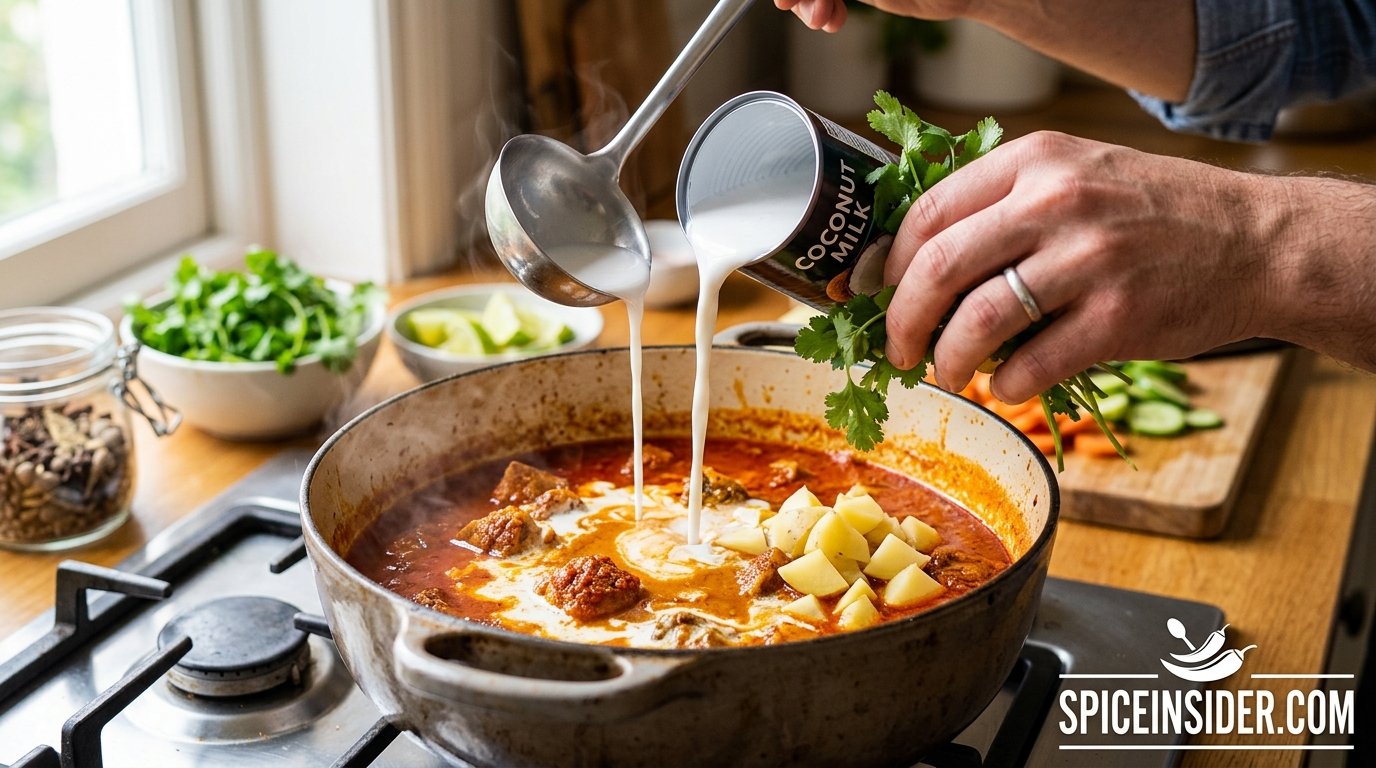
The right diluting ingredient depends on the dish. For soups, stews and curries, add unsalted broth, crushed tomatoes, canned coconut milk or cooked vegetables. For chili, add another can of beans and another can of tomatoes. For a stir-fry, toss in more raw vegetables and a little extra sauce base that contains no chile. For a pasta sauce, stir in plain tomato sauce or cream. For a marinade or rub, mix in unseasoned oil, more herbs, or extra garlic and salt.
Watch the Seasoning as You Go
The biggest danger of dilution is that you weaken everything else at the same time. Salt, acid, herbs and aromatics all get thinner too. Add your diluting ingredient in stages, and after each addition taste and adjust salt and other seasonings separately from the heat. If you need to double the pot, it is often smarter to build a second, non-spicy batch from scratch and combine the two. That way the seasoning is balanced from the beginning, not patched afterward.
Also think about texture. Adding a lot of thin liquid to a thick sauce loosens it, so you may need to simmer it down again. Reduce gently and only after the heat has dropped to a level you like, because reduction re-concentrates the capsaicin you just diluted. If a soup turns out too thin, thicken it with a slurry of cornstarch or a spoonful of mashed potato, not by boiling it hard for an hour.
This approach also gives you a safety net for next time. Cooks who keep a carton of broth, a can of tomatoes and a can of coconut milk in the pantry can rescue almost any pot on a weeknight without a store run.
A big stockpot lets you double a recipe without overflowing when you dilute.
Step 3: Add Dairy to Bind and Soften the Burn
Ask anyone in a curry house what to do about a burning mouth and they will tell you to reach for yogurt or a lassi. There is real chemistry behind that advice. Dairy contains a protein called casein, which binds to capsaicin molecules and helps wash them off the pain receptors on your tongue. Dairy also contains fat, which dissolves capsaicin. Together they make milk products the classic first-line defense.
Which dairy should you pick? Full-fat plain yogurt is the all-rounder, adding tang, creaminess and cooling flavor. Heavy cream and sour cream work beautifully in pasta sauces, tomato soups and Tex-Mex dishes. Whole milk is gentler and suits thin soups. Cheese such as mozzarella, Monterey Jack or a melty white cheese can be stirred into chili or baked dishes. Ghee or butter adds fat without much moisture, perfect when you do not want to thin a sauce.
How to Add Dairy Without Curdling
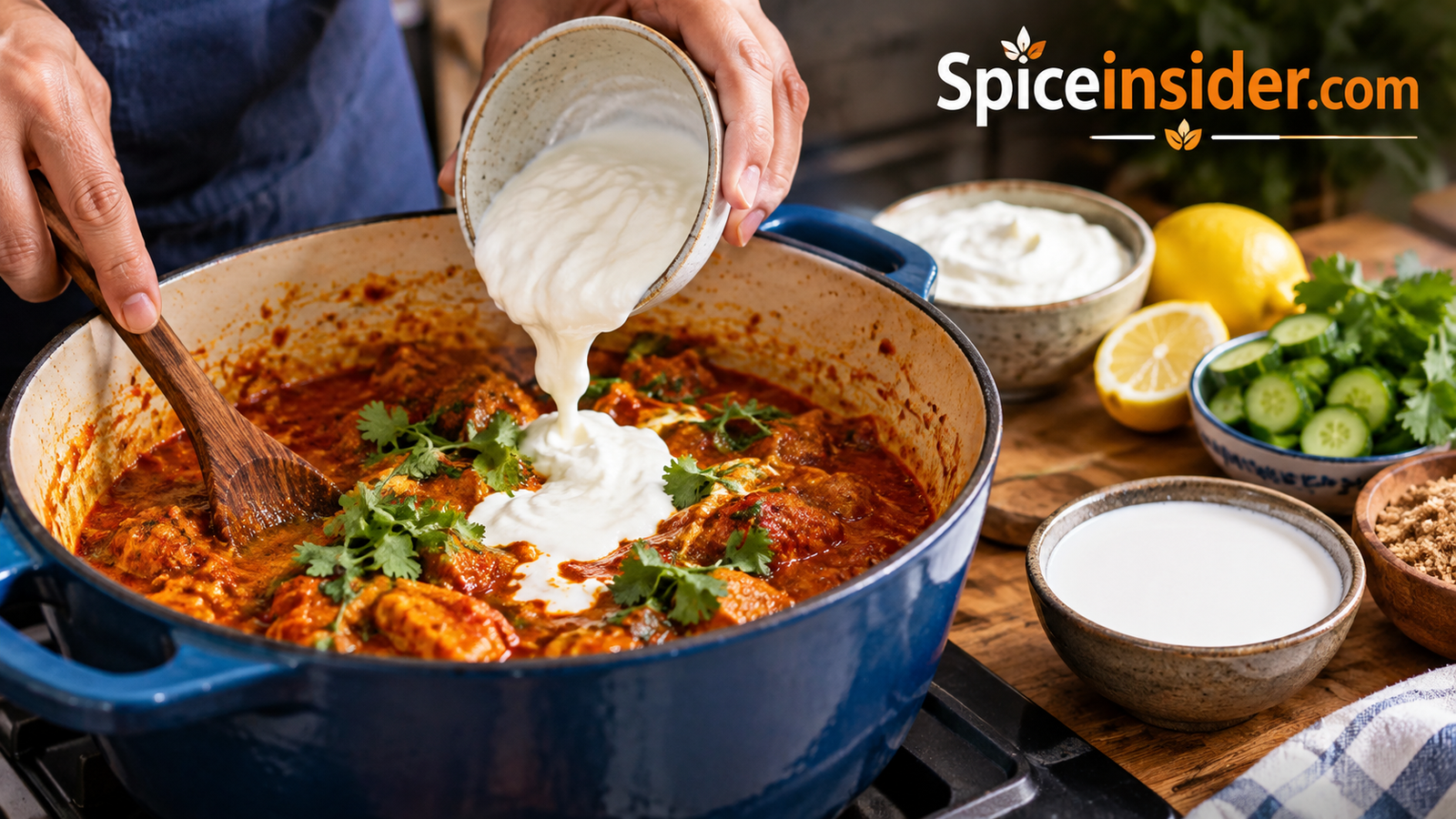
The biggest risk with dairy is splitting. Yogurt and milk can curdle when they hit a boiling, acidic pot. To avoid it, lower the heat to a bare simmer or take the pot off the burner entirely. Whisk your yogurt in a bowl first until smooth, then ladle a little hot liquid into the bowl to warm it, and pour the mixture back in slowly while stirring. Full-fat yogurt is more stable than low-fat, and cream is the most forgiving of all. Stir in a spoonful at a time, tasting between additions, since dairy also mutes salt and brightness.
Pros of Dairy Fixes
- Scientifically the most effective at soothing burn
- Adds body and richness
- Works in curries, soups, sauces and casseroles
- Cheap and easy to find
Cons to Consider
- Can curdle in hot acidic dishes
- Not suitable for vegan or dairy-free guests
- Can dull other flavors and salt
- Changes the color and identity of some dishes
If you are cooking for someone who avoids dairy, skip ahead to the coconut milk and nut butter methods later in this guide, which use the same fat-based principle without any animal products.
Full-fat coconut milk is a dairy-free stand-in for cream in curries.
Step 4: Balance the Burn With Sweetness
Sugar does not remove heat, but it changes how your brain perceives it. Sweetness competes with the burning signal for attention and rounds off the sharp edges of a spicy dish. This is why so many great hot cuisines, from Thai to Korean to Southern barbecue, pair chile with sugar, honey, palm sugar or fruit. Bringing a scorching dish back into balance often takes just a small amount.
Start with a teaspoon of sugar per pot and taste before adding more. Which sweetener you choose matters. Plain white or brown sugar is neutral. Honey and maple syrup add flavor, so pick them when the dish can take it. Palm sugar and jaggery suit curries and Southeast Asian dishes. Ketchup, barbecue sauce, hoisin and sweet chili sauce work in stews and glazes because they sweeten while also adding body. Fruit purees are a clever option, such as mango in curry, pineapple in tacos, or apple in chili.
If you have ever wondered how sugar fits into the world of seasonings, our explainer on whether sugar counts as a spice gets into the definition. In practical cooking terms, it earns a place in your spice cabinet the moment you need to rescue a fiery pot. For baked goods and sweet dishes that already contain warm spices, a gentle cinnamon such as the ones covered in our comparison of Ceylon and cassia cinnamon can also add sweetness perception without added sugar.
Do Not Overshoot
The danger with sweetness is tipping the dish into dessert territory. Add sugar in tiny increments, stir well, and wait a full minute before tasting again, because flavors need time to blend. Pair sweetness with a little acid or salt so the dish stays lively. A sauce that is sweet and hot but flat tastes cloying, while one that is sweet, hot and bright tastes intentional.
Keep honey or maple syrup nearby for glazes, sauces and marinades.
Step 5: Brighten and Cut the Heat With Acid
Acid is the secret weapon of restaurant cooks. A squeeze of citrus or a splash of vinegar does two things. It brightens the flavors so the heat feels less dominant, and it shifts the balance on your palate so the burn seems shorter and cleaner. Acid will not neutralize capsaicin in the pot, but it makes a genuine difference to how spicy a dish feels when you eat it.
Citrus juice is the go-to for Mexican, Thai, Vietnamese and Latin dishes. Lime is bright and floral, lemon is sharper, and orange is gentler and slightly sweet. Rice vinegar suits Asian dishes, apple cider vinegar works in barbecue and stews, and red wine vinegar fits Mediterranean plates. Tomato products such as paste, puree and canned tomatoes bring both acidity and body, which is why a can of tomatoes rescues so many chilis. Tamarind gives sour depth to curries and chutneys, and a pinch of sumac adds fruity tang to salads and grilled foods. If you have not used it before, our guide to what sumac spice is explains how to use it.
Acid and Sugar Together
The best results usually come from pairing acid with a bit of sugar. This is the logic behind sweet and sour sauces, and it works because each covers for the other. A hot pot that tastes flat and harsh is often missing both. Try adding a teaspoon of sugar and a teaspoon of lime juice together, stirring, and tasting. The transformation can be dramatic.
Salt Matters Too
People often overlook salt when fighting heat. A dish that is under-salted tastes harsher and hotter, because salt helps round out flavors. If you have added dairy, sugar and acid and the dish still tastes off, check the salt. If you are curious about how it fits into seasoning more broadly, see our article on whether salt is a spice. Just be careful not to oversalt while you are correcting, since diluted dishes need more salt overall but not dramatically more.
- Lime or lemon juice: best for tacos, salsas, soups and stir-fries.
- Vinegar: best for stews, barbecue, braises and pickled sides.
- Tomato products: best for chili, curry and pasta sauces.
- Tamarind: best for South and Southeast Asian dishes.
A good citrus juicer makes squeezing limes and lemons quick and clean.
Step 6: Bulk Up With Starch to Absorb the Heat
Starchy ingredients are wonderful absorbers. Potatoes, rice, pasta, bread, beans and grains soak up sauce and, with it, a portion of the capsaicin. They also add volume, which combines the benefits of dilution and absorption in one move. The old cook’s trick of dropping a peeled potato into an over-spiced pot works, but not for the reason many people think.
Here is the real story. A potato does not selectively pull out spice. It soaks up liquid, salt and some capsaicin as it cooks, and it increases the amount of food the heat is spread across. You can remove the potato afterward, though you can just as easily leave it in as part of the dish. Cubed potatoes work best because they cook through and soak up more sauce than a whole potato does.
Ways to Use Starch
For soups, stews and curries, add cubed potato, sweet potato, cooked rice or small pasta. For chili, stir in extra beans, corn or cooked barley. For spicy meat or vegetable dishes, simply serve them over more rice, noodles, tortillas, polenta, mashed potato, couscous or thick slices of bread than usual. In many cuisines that is exactly how the heat is managed: a small amount of fiery stew served with a large mound of plain starch. Naan, roti, arepas and flatbreads all play that role.
| Starch | Best For | Notes |
|---|---|---|
| Diced potato | Soups, stews, curries | Simmer until tender, 10 to 15 minutes |
| Cooked rice | Curries, chili, stir-fries | Serve as a bed or stir in to thicken |
| Bread or flatbread | Any saucy dish | Great for mopping up and cooling each bite |
| Pasta or noodles | Sauces and broths | Add extra sauce to keep it moist |
| Beans and lentils | Chili, soups, stews | Add protein and fiber while diluting |
If the dish is already the right thickness, keep the starch on the side so nothing gets gluey. A bowl of steaming rice next to a fiery curry gives every diner control over how much heat to take on each forkful.
Keep a bag of long-grain basmati rice on hand to serve alongside hot dishes.
Step 7: Use Fat, Nut Butters and Coconut to Mellow the Burn
Because capsaicin dissolves in fat, adding a rich, fatty ingredient pulls heat into the fat phase of the dish and coats your palate as you eat. This is the reason coconut milk is so central in Thai and Southern Indian curries, and why peanut sauce is so soothing next to spicy satay. When dairy is off the table, fat-based fixes are your best allies.
Full-fat canned coconut milk is arguably the best dairy-free fix for curries, soups and braises. Nut butters such as peanut, almond or cashew, or tahini, work in noodle dishes, stews and sauces, adding a savory, slightly sweet body. Avocado and guacamole cool tacos and chili on the plate. Olive oil, ghee, butter or a neutral oil can be whisked in to add a little richness without altering the flavor profile too much. Toasted sesame oil delivers a lot of flavor in small amounts and suits Asian dishes.
Adding Fat Without Making Things Greasy
The trick is moderation and emulsion. Whisk nut butters with a ladle of hot liquid first so they loosen into a smooth paste, then stir them back in. Add coconut milk gradually at a simmer. If oil floats on top, blend briefly with an immersion blender or whisk vigorously. A thin sauce can often absorb a tablespoon or two of fat without turning heavy.
Pros of Fat-Based Fixes
- Naturally dairy-free options exist
- Add richness and satisfying mouthfeel
- Coat the palate and soften each bite
- Blend into many cuisines seamlessly
Cons to Consider
- Add calories
- Can change flavor noticeably
- Nuts are an allergen to check for guests
- Too much makes food heavy
Remember to warn diners about nut allergies whenever you rescue a dish with peanut butter or tahini, even if the original recipe was nut-free.
Creamy natural peanut butter and tahini can save a dish in seconds.
Fixes by Dish Type: Matching the Rescue to the Recipe
The methods above work individually, but the smartest rescue combines two or three that suit the dish. Below is a practical guide for the situations cooks run into most often. Use it like a cheat sheet when you are staring at a pot and need a plan fast.
| Dish | Best Combination | What to Avoid |
|---|---|---|
| Curry | Coconut milk or yogurt, pinch of sugar, lime juice, potato | Boiling dairy hard, which causes curdling |
| Chili and stew | More beans and tomatoes, sour cream on top, touch of brown sugar | Reducing further without diluting first |
| Soup | Broth, cream, cooked rice or potato | Adding cold dairy to a boiling pot |
| Stir-fry | More vegetables, cooked rice, a little sugar and rice vinegar | Adding raw water, which dilutes flavor and texture |
| Salsa and hot sauce | More tomato, onion, mango or avocado, plus lime | Blending in more chile seeds |
| Dry rub or marinade | Mix with unspiced rub, oil, brown sugar, extra herbs | Using the rub as-is on the meat |
| Pasta sauce | Cream, plain tomato sauce, grated cheese, pinch of sugar | Adding lots of pasta water |
Curries and Indian Dishes
Curries are forgiving because they already contain fat and body. Stir in yogurt off the heat, coconut milk at a gentle simmer, or a spoonful of ground cashews or almonds. A pinch of sugar and a squeeze of lime finish the job. If your masala tasted flat as well as hot, refresh it with a mild, colorful spice such as a good turmeric powder rather than more chile. Cooks who regularly make Indian dishes at home may also enjoy our guide to the best grinder for Indian spices, which lets you control heat by grinding your own blends.
Chili, Stews and Tex-Mex
Add extra beans, another can of crushed tomatoes and a teaspoon of brown sugar. Top bowls with sour cream, shredded cheese, avocado or a squeeze of lime. If the flavor became thin, restore depth with a smoky, mild seasoning. Our roundup of the best smoked paprika is a good place to find one that adds smoke and color with almost no heat.
Stir-Fries and Sichuan-Style Dishes
Numbing heat from Sichuan peppercorns is not the same as chile heat, and adding sweetness and vinegar helps balance both. If you enjoy those flavors, take a look at what goes into Chinese five spice for a warmer, less fiery way to season. Extra vegetables, tofu or cooked noodles stretch a fiery stir-fry beautifully.
Rubs, Marinades and Sauces
If it is a dry rub, the fix is mixing it with a portion of unspiced ingredients like paprika, brown sugar, garlic powder and salt. For a marinade, stir in oil, yogurt or coconut milk. If the food is already marinating and it is very hot, rinse or scrape off the excess, then cook the meat and serve it with a cooling sauce.
Sweet or smoked paprika adds depth without heat when you need to rebalance.
Cooling the Heat at the Table: For Guests, Kids and Leftovers
Sometimes the pot cannot be fixed, or the meal is already served. Maybe you are feeding a mixed crowd, some who love heat and some who can barely handle black pepper. The solution is to shift control to the diner, using cooling companions and smart plating.
Build a Cooling Side Bar
Set out small bowls of plain yogurt or sour cream, cucumber raita, sliced avocado, shredded cheese, cool cucumber slices, lime wedges, chopped fresh herbs, and plenty of rice, bread or tortillas. Each guest can dial the dish up or down. In many cultures this is standard practice, and the cooling sides are considered part of the meal rather than a fix.
What to Drink
Skip plain water, which spreads capsaicin around without dissolving it. Whole milk, a lassi, coconut water, a mild sweet drink, or a lightly sweet fruit juice all perform better. Beer helps a little because of carbonation and a bit of alcohol, though a very strong drink can worsen the burn. Sweet wine such as an off-dry Riesling is a classic pairing for hot dishes.
Cooking for Children and Sensitive Palates
Children and people unused to spice perceive heat more intensely. Serve them a small portion in a separate bowl before adding the full-heat element, and offer mild toppings. If you have already added chile to the whole pot, divide a portion and dilute it with plain rice, mashed potato or additional sauce. Offer a glass of cold milk and a piece of bread at hand in case of surprises.
Leftovers Get Hotter
Flavors, including heat, tend to deepen overnight as ingredients meld. A dish that seemed just right on day one may bite harder on day two. When reheating, add a splash of broth, a spoonful of yogurt or a few extra vegetables to bring it back into balance, and taste before serving again.
Small ramekins make a tidy cooling toppings bar for family dinners.
What Does Not Work: Myths and Mistakes to Avoid
When food is too hot, panic often leads to fixes that make things worse or simply waste time. Knowing what to skip is just as useful as knowing what to do.
Adding Plain Water
Water is the most common mistake. Because capsaicin is not water soluble, adding water only thins the flavors of everything else in the dish while leaving the heat barely changed. Use broth, milk, coconut milk or unsalted tomato products instead so you are diluting with flavor.
Boiling It Down
Reducing a hot sauce concentrates everything, capsaicin included. Only simmer to thicken after you have brought the heat under control.
Throwing in a Raw Potato and Expecting Miracles
A potato helps because it absorbs liquid and adds bulk. It does not draw out spice like a sponge. Use it as part of a plan, not as the entire plan.
Adding a Lot of Sugar Immediately
A heavy dose of sugar makes the dish taste sweet and hot, which is confusing rather than balanced. Add a little at a time, and pair it with acid.
Rinsing Ingredients That Cannot Be Rinsed
Rinsing works for salsa that has chunky onion and jalapeño, or for a marinated protein you can wipe off. It does not work on sauces or stews where the chile is dispersed throughout the liquid.
Forgetting to Re-Season
After dilution, dairy, sweetness or acid, the dish will taste different. Salt, herbs, garlic and other aromatics may need a small boost. Always finish with a last round of tasting.
| Method | Effectiveness | Speed | Dairy-Free? |
|---|---|---|---|
| Dilution with broth or tomatoes | High | Fast | Yes |
| Yogurt, cream or cheese | High | Fast | No |
| Coconut milk or nut butter | High | Fast | Yes |
| Sugar or honey | Medium | Fast | Yes (honey is not vegan) |
| Acid (lime, vinegar) | Medium | Instant | Yes |
| Potato, rice, bread | Medium | Slower | Yes |
| Plain water | Very low | Fast | Yes |
Low-sodium broth dilutes heat while keeping flavor rich.
Preventing Over-Spicing: Habits That Keep Heat Under Control
The best way to fix a too-spicy dish is never to make one. A handful of habits will keep your cooking on the safe side without sacrificing flavor.
Add Heat in Stages
Start with half the chile a recipe calls for. Taste after the flavors have had ten minutes to meld, and add more only if needed. It is always easier to add heat than to subtract it. Recipes vary widely because chiles vary widely; two jalapeños from the same store can differ dramatically in heat.
Handle Fresh Chiles Smartly
Most of the burn sits in the white pith and seeds. Removing them tames a pepper while keeping its fruity flavor. Wear gloves for very hot varieties, and avoid touching your eyes.
Know Your Spices
Different chili powders have different strengths. A blend labeled chili powder is usually mild and full of other spices, while pure cayenne is far hotter. Read the labels, and keep them organized so you grab the right jar. Our guides to labeling spice jars, organizing spices in your kitchen and the best spice organizers make mix-ups far less likely, and they save you from mistaking cayenne for paprika in the middle of dinner.
Freshness Changes Strength
Old, stale spices lose flavor but often keep their bite, which tempts cooks to add more. Fresher spices deliver more aroma and more balanced heat. Storing them well matters, and our advice on how to store bulk spices shows how to keep them potent. Grinding your own gives you control over both fineness and intensity; read about whole versus pre-ground spices and consider one of the best spice grinders or a traditional mortar and pestle.
Toast for Flavor, Not Just Heat
Toasting spices brings out aroma and complexity so that you can use less chile for the same impact. Learn the technique in our guide to toasting spices before grinding. Be careful not to scorch chile flakes, which turns them bitter and harsh.
Keep a Rescue Kit
Stock your kitchen with full-fat yogurt, coconut milk, canned tomatoes, broth, honey, limes and rice. With those, you can save almost any dish within minutes. Think of it as spice insurance.
Clear, labeled jars help you tell mild paprika from fiery cayenne at a glance.
Frequently Asked Questions About Reducing Spice in Food
What is the fastest way to reduce spice in food?
The quickest options are adding a spoonful of full-fat yogurt, cream or coconut milk off the heat, and squeezing in a little lime juice with a pinch of sugar. Doubling the base of the dish with broth or tomatoes also works fast.
Does adding sugar really reduce spiciness?
Sugar does not remove capsaicin, but it competes for your palate’s attention and softens the harsh edge. Use small amounts along with acid for the best balance.
Does a potato absorb spice?
A potato absorbs some liquid and seasoning, and it adds volume, which lowers the heat per bite. It helps, but it works best combined with other fixes rather than alone.
Why does water not help with spicy food?
Capsaicin is not soluble in water, so water spreads it around your mouth instead of washing it away. Milk, yogurt and other fatty foods dissolve or bind it more effectively.
How do I make a curry less spicy?
Stir in coconut milk or yogurt, add cubed potato or extra vegetables, and finish with a teaspoon of sugar and a squeeze of lime. Serve it over plenty of rice or bread.
How can I reduce spice without dairy?
Use full-fat coconut milk, nut butters, tahini, avocado or olive oil for fat, add tomatoes or broth for dilution, and balance with sugar, honey or maple syrup plus an acid.
Can I fix a dish that is too spicy after it has cooled or been refrigerated?
Yes. Reheat gently and stir in dilution ingredients, dairy or fat. Taste as you go because flavors often intensify overnight.
How do I make chili less spicy?
Add another can of beans and tomatoes, stir in a teaspoon of brown sugar, and serve with sour cream, shredded cheese or avocado. Simmer briefly to blend the flavors.
What can I do if I put too much cayenne in a dish?
Cayenne is fine and disperses widely, so dilution is essential. Double the base, add starch such as potatoes or rice, then finish with dairy or coconut milk and a touch of sugar.
How do I reduce the heat in salsa or hot sauce?
Blend in more tomato, onion, fruit such as mango or pineapple, or avocado, then add lime juice and a pinch of sugar and salt. Avoid adding more seeds.
How can I make my food less spicy on the plate?
Serve it with rice, bread or tortillas, and add yogurt, sour cream, cheese, avocado or cucumber on top. These cooling sides let each diner adjust the heat.
How do I avoid making food too spicy in the first place?
Add chile in stages, remove the seeds and membranes from fresh peppers, measure ground chile carefully, and taste after the flavors meld. It is always easier to add heat later.
Conclusion: A Too-Spicy Dish Is a Recoverable Dish
Overdoing the heat happens to every cook, from beginners to professionals. What matters is having a plan. Stop the cooking, taste honestly, and then choose from your toolbox: dilute the pot with flavorful ingredients, bind the burn with dairy or fat, soften it with a little sugar, brighten it with acid, and absorb it with starch. Layer two or three of these methods, re-season at the end, and most dishes come back better balanced than you expected.
Keep a small rescue kit in your kitchen, add chile in stages next time, and let guests turn up their own heat at the table. With those habits, spicy food becomes a pleasure rather than a gamble. Stock up on the essentials below and you will be ready the next time dinner starts to bite back.
Shop Kitchen Rescue Essentials on Amazon