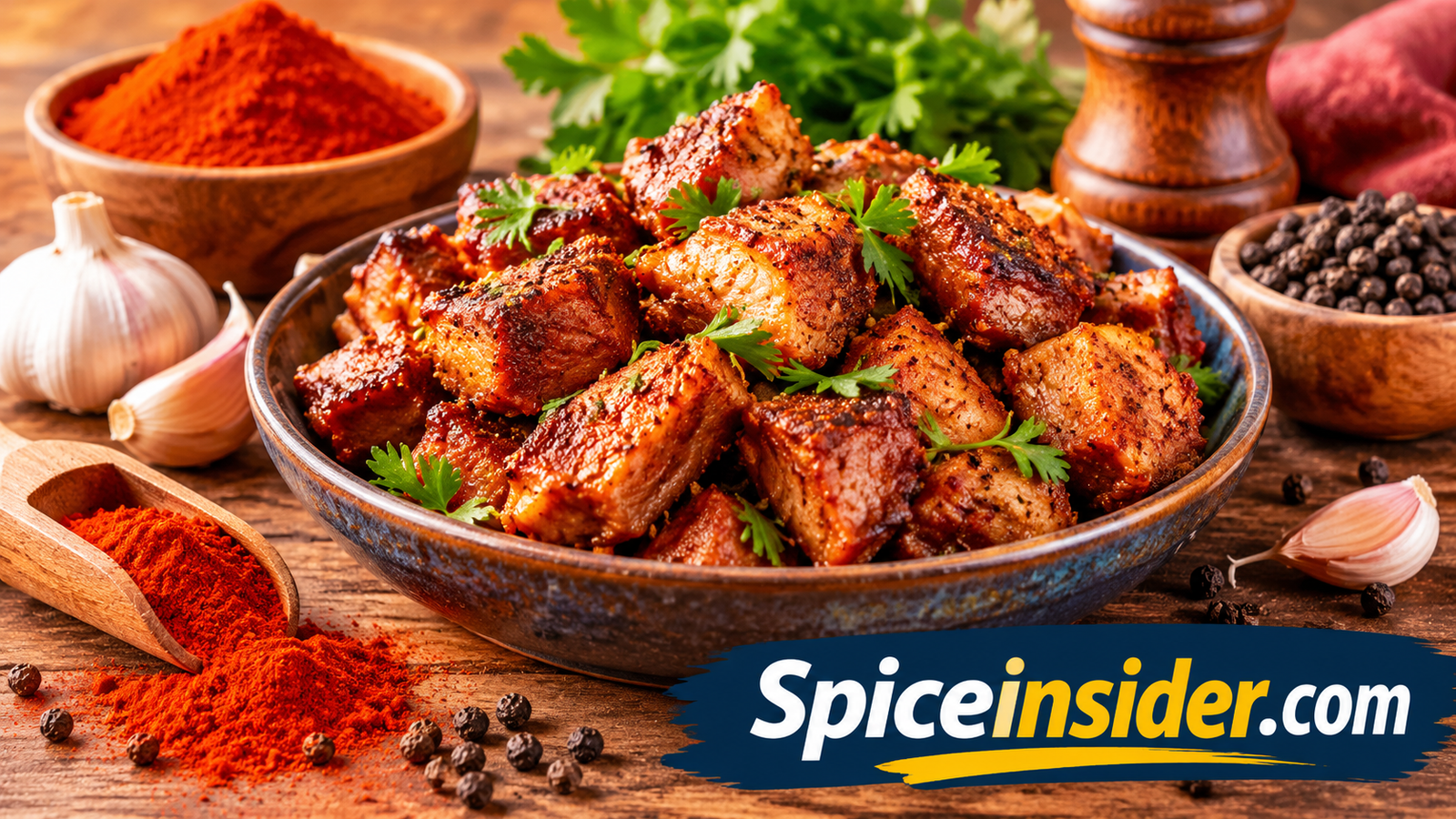
Pork is the most spice-friendly protein in the kitchen. It is rich enough to stand up to bold, smoky flavors, mild enough to carry delicate sweet ones, and fatty enough to bloom fat-soluble aromatics that lean meats simply can’t support. The classic answer to what spices go with pork starts with paprika, garlic, black pepper, cumin, coriander, mustard, sage, thyme, and fennel — and then branches out into warm baking spices like cinnamon, allspice, and clove, which is where pork gets genuinely interesting.
But “put paprika on it” isn’t really an answer, is it? A loin roast and a slow-cooked shoulder want completely different things. A thin chop has minutes to absorb flavor, while a shoulder has eight hours. Sugar behaves differently over direct flame than in a covered pot. And the difference between a memorable pork dish and a forgettable one usually comes down to three decisions: which spices, how much, and when you apply them.
This guide works through all three. You’ll find a full pantry breakdown, cut-by-cut pairings, regional profiles from Carolina barbecue to Chinese char siu, the sweet-spice rules that make pork taste expensive, and a practical framework for rubs, brines, and marinades. It’s the kind of reference you come back to the next time a pork shoulder shows up in your fridge and you can’t remember what you did last time that worked so well.
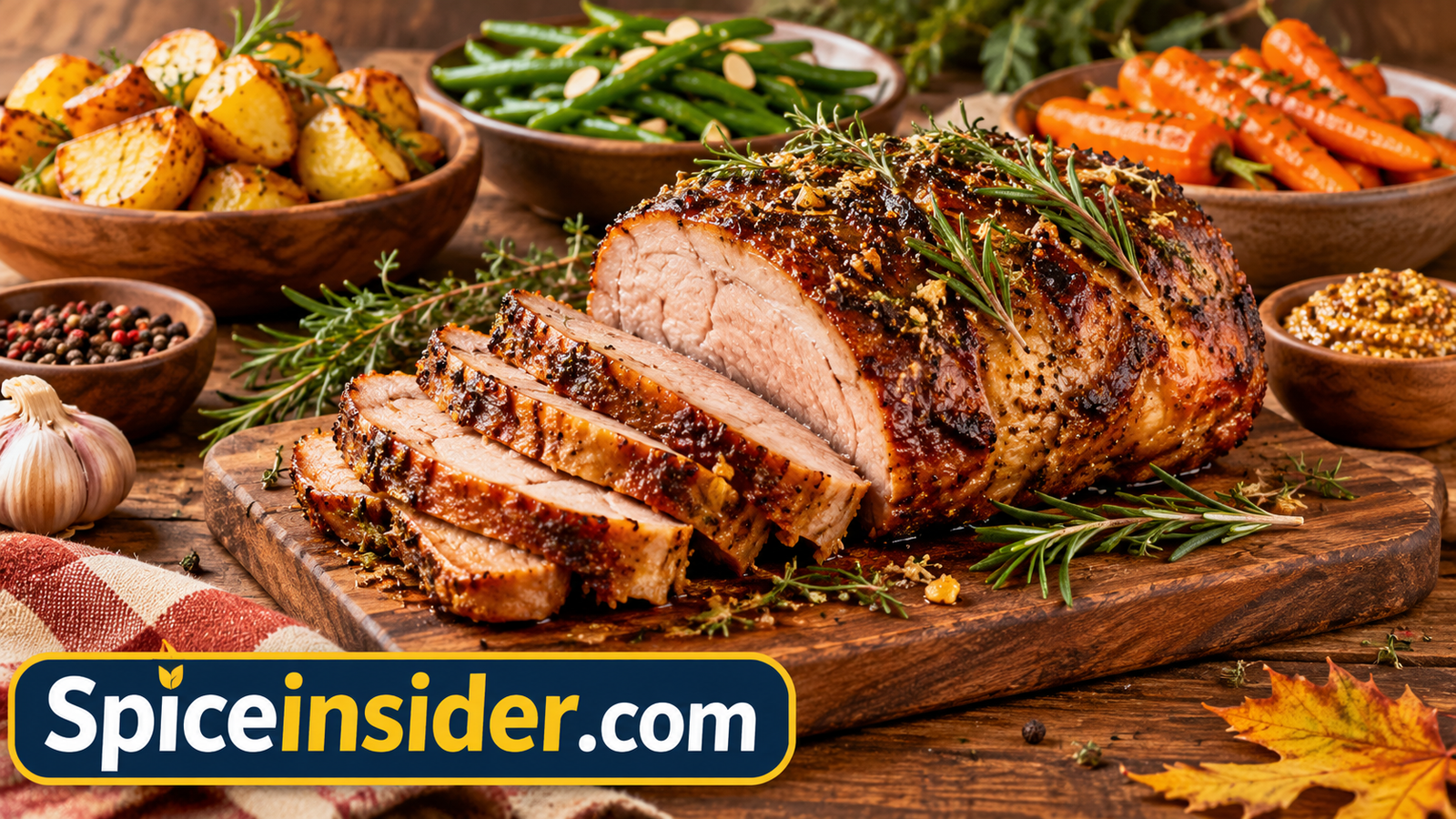
Start With a Well-Stocked Spice Rack
Most pork flavor problems come down to stale or limited seasonings.
Explore highly rated pork rubs and spice blends on Amazon.
Section 01
Why Pork Welcomes Spice Like Almost Nothing Else
Before getting into specific pairings, it helps to understand what pork is actually bringing to the plate. Pork isn’t the loudest protein, and that’s precisely the point. Its flavor is gently sweet, faintly mineral, and pleasantly fatty — a quiet, rounded backdrop that lets seasoning do the talking. Chicken breast can taste bland if under-seasoned; beef has enough of its own character that strong spices sometimes fight with it. Pork sits right in the middle, which is why so many of the world’s great spice traditions are built on it.
A naturally sweet, mild base
Compared to lamb’s grassy intensity or beef’s deep iron tang, pork reads as slightly sweet and almost creamy. That sweetness is a structural advantage. It means cumin doesn’t taste harsh, that cinnamon doesn’t read as “dessert,” and that chile heat lands with a rounded edge rather than a sharp one. If you have ever wondered why cinnamon-braised pork exists but cinnamon-steak does not, this is the reason.
Fat is a flavor highway
Most of the aromas we think of as “spicy” — cumin, coriander, paprika, mustard, turmeric, chile — are fat-soluble. They don’t fully express themselves in water, but the moment they meet hot fat they bloom, releasing the volatile oils that actually carry scent. Pork shoulder, belly, ribs, and even a well-marbled chop give those spices exactly what they need. A rub on a skinless chicken breast is mostly a surface garnish; the same rub on a pork shoulder becomes part of the meat itself after hours of slow rendering.
Practical takeaway
If a spice blend tastes muddy or flat on a lean cut, the fix is often not more spice — it is more fat. A spoon of oil in a marinade, a fattier cut, or a slow cook that renders internal fat will unlock the same blend dramatically.
The cut changes the rules
This is where most home cooks get tripped up. “What spices go with pork” is really four or five different questions. A tenderloin is lean, quick-cooking, and delicate. A shoulder is tough, forgiving, and deeply flavored. Ribs are fatty and benefit from sweetness. Belly is rich enough to carry five-spice, anise, or heavy smoke. Seasoning for all of them the same way is like wearing the same outfit to the gym and to a wedding.
We’ll break the cut-to-spice mapping down in Section 3, but the general principle is: lean and quick wants restraint, fatty and slow wants ambition. The more time and fat you have, the bolder and more layered the spice can get.
One quick comparison worth keeping in mind as you read: the same logic that governs pork seasoning also explains what spices go with chicken and what spices go with salmon. The protein’s fat content, texture, and cooking time decide everything. Once you see the pattern, you can season almost anything confidently.
Upgrade Your Everyday Seasoning
A good all-purpose pork blend is the fastest way to level up dinner.
Browse pork seasoning blends and rubs on Amazon.
Section 02
The Core Pork Spice Pantry
Think of pork seasonings as five families. Any great pork dish is pulling from at least two or three of them, and the balance between the families is what separates a flat rub from a memorable one. Here’s how the pantry breaks down.
1. The smoky and earthy family
Paprika is the single most associated spice with pork, and for good reason — it adds color, gentle sweetness, and a rounded red-pepper flavor that never overwhelms. Sweet paprika is mellow; hot paprika adds a slow burn; smoked paprika does the heavy lifting for anything that isn’t actually going into a smoker. If you only keep one, keep a good smoked paprika. For recommendations, see our guide to the best smoked paprika.
Cumin brings a warm, toasty, slightly bitter depth that pairs beautifully with pork’s sweetness — think carnitas, chili-rubbed chops, and anything with beans alongside. Coriander is cumin’s brighter sibling: citrusy, floral, and much gentler. The two together are one of the most reliable pork combinations in any cuisine.
2. The allium backbone
Garlic and onion are not glamorous, but they are structural. Nearly every great pork rub contains both, usually in granulated or powdered form so they adhere to the surface and toast rather than burn. Fresh garlic has its place in marinades and pastes; dried garlic is what you want in a dry rub, where moisture is the enemy.
3. The sweet and warming family
Cinnamon, allspice, clove, nutmeg, fennel, star anise, and ginger are the reason pork tastes expensive when it tastes expensive. Used with a light hand, they amplify pork’s natural sweetness and add aromatic complexity. Used with a heavy hand, they turn dinner into a candle. Section 5 covers exactly how to dose them.
4. The sharp and bright family
Mustard seed or dry mustard cuts richness and adds a sinus-clearing brightness that fattier pork cuts desperately need. Black pepper is non-negotiable — it adds heat without chili’s fruitiness and it plays well with everything on this list. Sumac and other tart spices give a citrus-like lift that’s especially good on grilled chops; if you haven’t cooked with it, our guide to sumac is a good place to start.
5. The heat family
Cayenne, crushed red pepper, chipotle powder, gochugaru, and fresh chiles all have a place on pork. The question is always intensity and timing. Ground chile burns fast and turns bitter, so it should rarely be alone over high direct heat — pair it with sugar or paprika to buffer it, or add it to a braising liquid instead.
Your pork starter shelf
- Smoked paprika — color, sweetness, and smoke without a smoker.
- Garlic granules + onion powder — the adhesive backbone of every rub.
- Black peppercorns — freshly cracked, always, for pork.
- Ground cumin and coriander — the warm-citrus duo that never fails.
- Yellow or brown mustard powder — the richness cutter.
- Brown sugar or maple sugar — bark, caramelization, and balance.
- Cinnamon and allspice — used sparingly, they make pork taste “restaurant.”
- Dried thyme and sage — the herbal anchor for roasts and chops.
If you want to see how these fit into a broader kitchen collection, our roundup of the spices every kitchen needs covers the full foundation shelf, and our spice pairing guide explains which combinations work and why.
Build Your Pork Spice Shelf
Whole spice sets let you grind fresh for dramatically more flavor.
See top-rated whole spice collections on Amazon.
Section 03
Match the Spice to the Cut
This is the section most people are really looking for. Below is a practical mapping of pork cuts to the spices that flatter them, the cooking methods that bring those spices to life, and the traps to avoid for each one.
Lean, fast cuts: loin, tenderloin, chops
Lean pork dries out quickly and has a subtle flavor, so heavy-handed spice becomes the only thing you taste. Go bright and herbal here: sage, thyme, rosemary, garlic, mustard, a whisper of fennel, and cracked pepper. Sweetness works but must be restrained — a light maple or brown sugar glaze in the final minutes is plenty. If you want warm spice on a tenderloin, add it as part of a fruit-based glaze rather than a dry coating.
Rich, slow cuts: shoulder, butt, ribs, belly
These cuts can carry almost anything. Big smoky rubs, heavy cumin, chipotle, five-spice, coffee, juniper, cloves, cinnamon — all of it stands up to hours of cooking and a lot of rendered fat. Sweetness is your friend here too, since it builds the caramelized crust that makes pulled pork and ribs so good.
Ground pork
Ground pork is a blank slate with plenty of fat, which makes it ideal for aromatic profiles: sage and black pepper for breakfast sausage, ginger and white pepper for dumplings, fennel and anise for Italian-style sausage, cumin and coriander for taco meat. Because the surface area is enormous, salt and spice absorb fast — season it, then let it rest briefly before cooking.
| Pork Cut | Flavor Profile | Star Spices | Best Method | Watch Out For |
|---|---|---|---|---|
| Pork tenderloin | Delicate, lean, subtly sweet |
|
High-heat roast or sear-and-finish | Overcooking; heavy chili or clove |
| Pork loin roast | Mild, lean-to-medium, roast-friendly |
|
Slow roast with a fat cap | Dryness; rub that burns |
| Pork chops | Juicy when brined, quick-cooking |
|
Brine, then sear | Skipping the brine |
| Pork shoulder / butt | Rich, fatty, deeply savory |
|
Low-and-slow roast or braise | Under-salting the interior |
| Ribs | Fatty, sweet-friendly, smoke-loving |
|
Smoke or slow roast, then glaze | Burning sugar over direct flame |
| Pork belly | Very rich, silky, flavor-absorbing |
|
Braise, then crisp | Skipping the acid on the plate |
| Ground pork | Versatile, fatty, fast-absorbing |
|
Pan-fry or braise | Overworking the meat |
| Ham / cured pork | Salty, sweet, already seasoned |
|
Glazed roast | Adding more salt |
Notice how the trend runs in one direction: the fattier and slower the cut, the more room you have for sweetness, smoke, and warm spice. If you take nothing else from this article, take that.
A note on heat control
Pork doesn’t need to be spicy to taste bold. Warm spice (cumin, coriander, cinnamon) and hot spice (cayenne, chipotle) are different tools. Most restaurant-quality pork uses warmth generously and heat sparingly. If you overdo the burn, here’s how to reduce spice in food without starting over.
Cook Pork to the Right Temperature
Even seasoning can’t save an overcooked chop.
A reliable instant-read thermometer changes everything.
Section 04
Regional Pork Spice Profiles Worth Stealing
Some of the world’s best pork dishes come from traditions that spent centuries solving exactly this problem. Instead of reinventing combinations, borrow the frameworks — each one is a tested ratio of flavor families you can adapt to whatever cut is on sale.
American barbecue: smoke, sweet, and slow heat
The classic American pork rub is paprika-heavy, with brown sugar for bark, garlic and onion for depth, mustard for balance, and a restrained chili for warmth. Regional styles vary — some lean vinegar-forward, some molasses-sweet, some aggressively peppery — but the architecture is consistent: a salty base, a sweet middle, and a smoky finish. This profile is built for shoulder and ribs, and it wants hours of low heat.
Latin American: cumin, oregano, citrus, and chile
Carnitas and al pastor are masterclasses in pork seasoning. Cumin and Mexican oregano provide the earthy foundation; chiles (ancho, guajillo, chipotle) add fruit and smoke; citrus and vinegar brighten the fat; garlic and onion round it out. A touch of cinnamon or clove appears in some adobo-style marinades and is remarkably effective on shoulder.
Chinese: five-spice, soy, and aromatic sweetness
Char siu and braised pork belly lean on star anise, fennel, cinnamon, clove, and Sichuan pepper — the constellation behind Chinese five-spice — balanced with soy, sugar, and a hit of alcohol. The warm spices are assertive but never clumsy because they’re carried by salt and sweet in equal measure. This profile flatters belly and shoulder most of all.
Caribbean jerk: allspice, thyme, and serious heat
Allspice berries and Scotch bonnet chiles are the signature, supported by thyme, garlic, scallion, ginger, and cinnamon. Jerk is intense, and it works because pork can absorb intensity. If you’re new to allspice, it’s the same berry that gives many warm blends their depth — and it is arguably pork’s single best-matched spice.
European: caraway, juniper, marjoram, and mustard
German and Central European pork cookery favors caraway with cabbage, juniper with roasts, marjoram with sausages, and mustard with almost everything. Mediterranean styles pivot to rosemary, garlic, fennel, oregano, and lemon. Both are gentle compared with barbecue, and both suit leaner cuts beautifully.
Indian-inspired: warm spice and sour balance
Goan-style pork vindaloo shows what happens when warm spice meets vinegar: black pepper, cumin, coriander, turmeric, cinnamon, and cloves layered against a sharp sour backbone. It’s a powerful lesson in the role acid plays with rich meat, and it translates easily to slow-cooked shoulder at home.
| Style | Signature Spices | Typical Cut | Serve It With |
|---|---|---|---|
| American BBQ | Paprika, brown sugar, garlic, onion, mustard, black pepper | Shoulder, ribs | Vinegar slaw, cornbread, pickles |
| Latin American | Cumin, oregano, ancho & chipotle chile, citrus, garlic | Shoulder, loin | Tortillas, onion, cilantro, lime |
| Chinese-style | Star anise, fennel, cinnamon, clove, ginger, five-spice | Belly, shoulder | Steamed rice, greens, pickled veg |
| Caribbean jerk | Allspice, thyme, scotch bonnet, ginger, cinnamon | Shoulder, chops | Rice and peas, fried plantain |
| Central European | Caraway, juniper, marjoram, mustard, garlic | Loin, shoulder, sausage | Braised cabbage, potatoes |
| Mediterranean | Rosemary, fennel, oregano, garlic, lemon | Loin, chops, tenderloin | Roast vegetables, white beans |
| Indian-inspired | Black pepper, cumin, coriander, turmeric, cinnamon, clove | Shoulder | Rice, flatbread, cooling yogurt |
Two details are worth pulling out of that table. First, almost every tradition pairs pork with something acidic or pickled on the side — the sourness cuts fat and keeps the spices from tasting heavy. Second, warm spice appears in far more pork traditions than in beef or chicken ones. If you want to explore the sweet-spice side more deeply, start with what goes well with cinnamon.
Travel the World From Your Spice Shelf
Curated regional blends make exploring new pork flavors effortless.
Find global spice gift sets on Amazon.
Section 05
Sweet and Warm Spices: Pork’s Secret Weapon
Here is the flavor idea that separates a good home cook from a great one: pork is one of very few savory proteins that tastes genuinely better with warm, sweet baking spices. Used correctly, cinnamon, allspice, clove, nutmeg, and fennel make pork taste rich and complete. Used carelessly, they make it taste like dessert. The line between those two outcomes is dosage and balance.
Why warm spices work on pork
Warm spices share a family of aromatic compounds that our brains read as “cozy.” On their own over a mild protein they can dominate. But pork’s fat mutes their sharpest edges, and pork’s natural sweetness agrees with their flavor rather than clashing. The result is depth — the sense that a dish has been cooked slowly and deliberately, even when it hasn’t.
The spice-by-spice cheat sheet
- Cinnamon — Warm and slightly sweet; fantastic in rubs for shoulder and in glazes for ham. Start with a small pinch in a full rub batch. If you love the effect, compare styles in our Ceylon vs. cassia cinnamon breakdown.
- Allspice — Tastes like cinnamon, clove, and nutmeg combined. It’s the backbone of jerk seasoning and one of the most pork-friendly spices on earth. Berries, freshly ground, are a revelation.
- Clove — Powerful and numbing in quantity; incredibly effective in tiny amounts. Perfect with ham, apple, and braised shoulder. Think of it as a seasoning salt, not a base spice.
- Nutmeg — Subtle, creamy, and lovely in sausage, in creamy pork sauces, and in any pork dish with dairy. Grate it fresh; pre-ground nutmeg fades quickly. See our guide to the best whole nutmeg.
- Fennel seed — Sweet, anise-like, and classic with pork sausage and roast loin. It’s a safe entry point into warm spice for anyone nervous about cinnamon on meat.
- Ginger — Bright and peppery rather than purely sweet; essential in Asian-style pork and surprisingly good in dry rubs.
- Star anise — Dramatic and aromatic; use one or two pods in braises and remove them, or grind a small amount into blends.
The golden ratio rule
As a working guideline, warm spices should make up somewhere in the neighborhood of five to ten percent of a dry rub by volume — noticeable but never the loudest voice. If your rub is a cup of total seasoning, that’s roughly a tablespoon or so of combined warm spices. Everything else should be salt, sugar, allium, pepper, and a primary spice like paprika or cumin.
The three-balance rule
Every warm-spice pork dish needs three things: warmth (the spice itself), salt (to keep it savory), and acid (vinegar, citrus, or wine, to keep it from cloying). Skip the acid and the dish tastes flat and heavy almost every time.
Where it goes wrong
Two failure modes show up constantly. The first is treating a rub like a pastry recipe and doubling the cinnamon “for more flavor.” The second is adding warm spice to a lean, fast-cooking cut where it has no time to meld — a clove-forward rub on a thin chop will taste like potpourri. Keep warm spice for slow, rich cooking, and keep it light.
If you want to see how these same spices behave outside of pork, our companion pieces on what’s in pumpkin pie spice and the best cinnamon for baking cover the sweeter side of the same pantry.
Grind Warm Spices Fresh
Freshly grated nutmeg and crushed allspice outperform pre-ground every time.
Shop whole warm spices on Amazon.
Section 06
Fresh Herbs, Dried Herbs, and Spices: What Goes On and When
People often use “seasoning” as one big category, but herbs and spices behave differently in the pan, on the grill, and in the oven. Understanding the difference is one of the fastest ways to make your pork taste considered rather than thrown together.
Spices want time and heat
Spices are seeds, bark, roots, and dried fruits. Their flavors are locked inside cell walls that need heat and fat to release. This is why spices belong in the rub, in the marinade, in the braising liquid, or in oil at the start of cooking. Adding ground cumin at the very end of a braise gives you dust; adding it at the beginning gives you depth. The exception is delicate finishing spices — a pinch of flaky spice or a grind of pepper at the table can be lovely.
Herbs split into two camps
Hardy herbs — rosemary, thyme, sage, oregano, marjoram — handle long cooking well and can go into rubs and roasts early. Delicate herbs — parsley, cilantro, basil, chervil, mint — wilt and lose their brightness with heat, so they belong at the end, as a garnish or stirred into a sauce off the heat.
Dried herbs are more concentrated than fresh, so the classic rule of thumb is to use roughly a third the amount of dried as you would fresh, and to give dried herbs time to hydrate in liquid or fat.
What pork actually wants
- Sage — pork’s most traditional partner. Wonderful on chops, in sausage, and with apple.
- Thyme — gentle, versatile, and safe with every cut. A kitchen workhorse.
- Rosemary — piney and assertive; excellent on loin and shoulder, too strong for delicate preparations if overused.
- Oregano — the anchor of Latin and Mediterranean pork profiles.
- Bay leaf — quietly transformative in braises and brines.
- Fennel fronds and dill — bright, fresh finishes for grilled or roasted pork.
| Option | Pros | Cons |
|---|---|---|
| Fresh herbs | Bright, aromatic, visually appealing; excellent as a finish or in marinades and chimichurri-style sauces | Short shelf life; burn easily on the grill; lose character with long cooking |
| Dried herbs | Concentrated, convenient, always on hand; ideal for rubs and long braises; consistent year-round | Can taste dusty if old or unhydrated; easy to overdo; less visual appeal |
| Ground spices | Even coating and consistent flavor; fast to blend; great for bark and crust formation | Volatile oils fade over time; can burn over high heat; harder to adjust mid-cook |
| Whole spices | Most potent aroma; toastable; long shelf life; excellent in brines and braises | Need grinding or removal; take a little extra time and equipment |
Home cooks who want the biggest flavor jump for the least effort usually find it here: move from pre-ground jars to whole spices you toast and grind yourself. We compare the tradeoffs directly in grinding whole spices vs. pre-ground, and there’s a specific technique worth learning in our guide to toasting spices before grinding.
Keep Herbs and Spices Within Reach
Well-organized seasonings get used — and taste fresher.
Explore dried herb sets and organizers on Amazon.
Section 07
Building a Dry Rub That Actually Works
Most great pork rubs follow the same architecture. Once you see the structure, you can stop following recipes and start building blends to taste — which is far more satisfying and much cheaper.
The five-part rub framework
| Component | Share of Blend | Its Job | Examples |
|---|---|---|---|
| Salt | About one quarter | Seasons the interior, boosts every other flavor | Kosher salt, sea salt, smoked salt |
| Sweet | About one quarter | Bark, caramelization, balances bitterness | Brown sugar, maple sugar, coconut sugar |
| Base spice | About one third | Defines the character of the rub | Smoked paprika, cumin, chili powder |
| Allium | One to two spoons | Savory depth and aroma | Garlic granules, onion powder, shallot |
| Accent | A pinch to a spoon | Brightness, warmth, or heat | Mustard, black pepper, cinnamon, cayenne |
Two templates you can memorize
The all-purpose pork rub: salt and brown sugar as the base, a generous amount of smoked paprika, garlic and onion, a solid hit of black pepper, a spoon of mustard powder, and a small spoon of cumin. Add cayenne only if you want heat.
The warm-and-sweet roast rub: salt and maple sugar, smoked paprika, garlic, a small measure of cinnamon and allspice, black pepper, and a pinch of clove. This is the one that makes your kitchen smell like a restaurant.
Technique beats recipe
- Pat the meat dry. Surface moisture dilutes the rub and prevents browning.
- Apply a binder lightly. A thin film of mustard or oil helps the rub adhere without adding competing flavor.
- Season by weight, not eye. Roughly a tablespoon of rub per pound is a dependable starting point for most cuts.
- Give it time. An hour at room temperature helps; several hours in the fridge helps more; overnight is ideal for big roasts.
- Toast and grind for peak flavor. Freshly ground aromatics are noticeably more vivid — our guide to the best spice grinders explains what to look for.
- Reserve some rub. Keep a clean, unused portion for finishing at the table or for the sauce.
Why your rub tastes bitter
Bitterness almost always comes from scorched ground spice or burnt sugar. If you’re cooking over direct flame, reduce sugar and add it as a glaze at the end instead. It’s the single most common fix in pork seasoning.
Shop Pork Rubs & Blending Staples
Save time with a well-balanced rub, or build your own from scratch.
Browse dry rubs and spices on Amazon.
Section 08
Marinades, Brines, and Wet Pastes: Getting Spice Inside the Meat
A dry rub seasons the surface. If you want flavor through the whole piece — and with a thick roast or a chop, you do — you need liquid and time. There are three tools for this, and each one does a slightly different job.
Brines: seasoning and juiciness from within
A brine is salt dissolved in water, usually with sugar and aromatics. Through osmosis and diffusion, the seasoned liquid works its way into the meat, which then holds onto more moisture during cooking. This is transformative for lean, quick-cooking pork like chops and tenderloin. Keep the salt concentration moderate — a brine in the range of roughly three to five percent salt by weight of water is a common and forgiving starting point — and add aromatics like garlic, peppercorns, bay, and herbs so the flavor travels with the salt.
Brining is also where whole spices earn their keep. Peppercorns, coriander seeds, juniper, and allspice berries slowly infuse the liquid without making it gritty.
Marinades: surface flavor and tenderization
A marinade is an acid- or enzyme-based liquid with oil, salt, and aromatics. It doesn’t penetrate very far — a few millimeters at most — but that outer layer matters enormously for flavor. For pork, an ideal marinade has three parts: fat (to carry fat-soluble spices), acid (citrus, vinegar, wine, yogurt), and seasoning (salt plus your spice blend).
Time is important. Long marinating in a highly acidic mixture can turn the surface of pork mushy, so for citrusy or vinegar-heavy marinades, a few hours is usually better than overnight. For gentler, oil-and-herb marinades, longer is fine.
Wet pastes and rubs: the best of both
Blending spices with garlic, oil, and a little liquid creates a paste that clings to the meat and delivers intense flavor to every crevice. This is the secret behind jerk marinade, many Indian-style preparations, and classic herb crusts. A mortar and pestle does this exceptionally well — see our picks for the best mortar and pestle — because crushing releases aromatic oils that a blade’s chopping action doesn’t.
Choosing your approach
- Lean and thin (chops, cutlets): brine first, then dry-season. The brine prevents drying and carries salt inward.
- Thick and lean (tenderloin, loin roast): light brine or overnight dry brine, plus a fat-based rub.
- Fatty and slow (shoulder, ribs, belly): heavy dry rub, applied hours ahead. These cuts don’t need brining — they have enough fat and time.
- Ground pork: season directly and let it rest; a wet binder isn’t necessary.
Dry brine, the underrated move
Salting meat uncovered in the fridge for several hours accomplishes much of what a wet brine does, with better browning. The surface dries out, the salt dissolves and migrates inward, and you get a superior crust. For pork roasts, this is often the only prep step you need.
Brine and Marinate Like a Pro
A food-safe container makes large-cut prep far easier.
Find brining buckets and containers on Amazon.
Section 09
Cooking Method Changes the Flavor Completely
The same rub tastes noticeably different depending on how you cook the meat. Heat level, duration, fat exposure, and smoke all reshape the flavor of spices, which means your seasoning strategy should change with your method.
Grilling and searing: high heat, fast flavor
Direct, intense heat is brutal on ground spices and sugar. Paprika and chile turn bitter, garlic powder burns, and sugar carbonizes. The strategy here is restraint: lean toward salt, pepper, hardy herbs, and whole or coarsely crushed spices that can take the heat. Add sweetness as a glaze in the final minutes rather than in the rub itself.
Smoking and low-and-slow roasting: the spice playground
Low, indirect heat over hours is where pork rubs reach their full potential. Spices have time to bloom in rendering fat, sugars caramelize gently instead of burning, and the smoke itself becomes a seasoning. This is the environment that paprika, brown sugar, cumin, and warm spices were made for.
Braising: spice as part of the liquid
When pork braises in liquid, the spices distribute through everything — meat, sauce, and cooking liquid alike. Whole spices shine here, since they can be fished out later. Reduce the sauce at the end to concentrate the flavor, and finish with something bright: vinegar, citrus, or fresh herbs.
Roasting: a middle path
A moderate oven with a spice crust is the most forgiving method and the best one for weeknight pork roasts. Apply the rub in advance, roast steadily, and glaze at the end for shine and sweetness.
Slow cooker and pressure cooker: gentle but flat
These methods make pork tender but rarely produce browning, so spice flavor can taste muted. The fix is twofold: toast or bloom the spices in fat first, and reduce the cooking liquid into a sauce at the end. A squeeze of acid before serving wakes up everything.
| Method | Heat Level | How Spices Behave | Best Spice Style |
|---|---|---|---|
| Grilling | High, direct | Fast bloom; sugar and ground spice scorch easily | Salt-forward, coarse, minimal sugar |
| Smoking | Low, indirect, long | Deep penetration; gentle caramelization; smoke blends in | Full-bodied sweet-and-smoky rubs |
| Braising | Low, moist | Distribute through liquid; whole spices infuse slowly | Whole spices, warm aromatics, bay |
| Roasting | Moderate, dry | Steady crust formation; even flavor | Herb-forward rubs with light sweetness |
| Pan-searing | High, fat-based | Fragrant bloom in fat; small pieces burn fast | Coarse grind, pepper, garlic, herbs |
| Slow cooker | Low, moist | Soft, muted flavor unless pre-toasted | Pre-bloomed pastes and bold aromatics |
The pattern is easy to remember: hot and fast wants coarse, simple seasoning; low and slow wants layered, sweet, and complex. Match the two and half the battle is already won.
Get Serious About Heat Management
Probes and instant-read thermometers take the guesswork out of pork.
Shop grill and oven thermometers on Amazon.
Section 10
The Most Common Pork-Seasoning Mistakes (and How to Fix Them)
After cooking a lot of pork and ruining a fair amount of it, the same handful of errors come up again and again. None of them require talent to avoid — just awareness.
1. Seasoning too late
Salt needs time to migrate into the meat. A chop seasoned thirty seconds before hitting the pan tastes seasoned on the surface and plain in the middle. Season at least forty-five minutes ahead for thin cuts, and several hours ahead for anything thick. For roasts, salting the night before is ideal.
2. Using too much of a dominant spice
Clove, cumin, rosemary, and cinnamon are all capable of single-handedly taking over a dish. When in doubt, reduce the loudest spice and add a second, complementary one instead. Complexity comes from a chorus, not a soloist.
3. Burning the rub
Sugar and fine-ground spice char over direct heat. If you’re grilling, keep the rub simple and add glazes late. If you’re seeing black flakes rather than a deep mahogany crust, that’s burnt spice, not bark.
4. Forgetting the acid
Pork with warm spices and fat but no acid tastes heavy and one-dimensional. A splash of vinegar in the sauce, a squeeze of lime over the finished dish, or pickled vegetables on the side resets your palate completely.
5. Skimping on salt
Salt isn’t just a flavor of its own — it’s an amplifier for every other seasoning. Undersalted pork makes even a good rub taste dull. It’s much easier to adjust the salt on the plate than to rescue meat that was never seasoned properly.
6. Relying on jars that died years ago
Ground spices lose their volatile oils steadily, and most home kitchens keep them far too long. If a spice smells like dust rather than itself, it is not going to season anything meaningfully. This is one of the reasons freshly ground spice changes cooking so dramatically — more on that in Section 12.
7. Adding delicate herbs too early
Parsley, cilantro, and basil disappear under heat. Save them for the final flourish, where their color and freshness can actually show.
Overdid the spice?
Dilute rather than fight. Add more unseasoned meat, more liquid, more fat, or a squeeze of acid and a pinch of sugar to rebalance. We cover the full set of rescue techniques in how to reduce spice in food.
Measure Seasoning Accurately
A simple kitchen scale turns rub ratios from guesswork into repeatable results.
See digital kitchen scales on Amazon.
Section 11
What to Serve With Spiced Pork
Seasoning doesn’t end at the edge of the meat. The side dishes you choose either amplify the spice profile you built or undo it. A few pairing principles cover most situations.
Pair by complement
Some ingredients naturally live in the same flavor neighborhood as pork’s classic spices. Apples and sage. Cabbage and caraway. Mustard and thyme. Fennel and orange. Brown sugar and smoked paprika. When the side and the meat share an aromatic compound, the plate tastes coherent.
Pair by contrast
Rich, spiced pork also needs counterweight. Something acidic (slaw, pickles, chutney, a vinaigrette), something fresh and green (a bitter salad, herbs), or something clean and starchy (plain rice, potatoes, bread) gives your palate a rest between bites. This is the reason barbecue always arrives with vinegar slaw and pickles.
Reliable side pairings
- Apples and stone fruit — roast, sauté, or turn into a quick chutney. Sweet fruit is pork’s most natural neighbor.
- Cabbage and slaw — crunchy, tangy, and perfect against fatty cuts.
- Potatoes and sweet potatoes — neutral carriers for bold pork. For seasoning ideas, see what spices go with sweet potatoes.
- Beans and lentils — earthy, hearty, and great with cumin-heavy profiles.
- Root vegetables — carrots, parsnips, and turnips caramelize alongside a roast.
- Rice and grains — ideal for soaking up braising liquids and glazes.
- Mustard-based sauces — the classic cut for fatty, slow-cooked pork.
- Anything pickled — onions, cucumbers, peppers, or quick kraut.
Think about the whole plate’s spice load
If the pork is heavily spiced, keep the side simple. If the pork is gently seasoned with herbs and garlic, the side can carry more character. Two loud components on one plate compete instead of collaborating — the same principle behind good spice blending in general, which we explore in depth in what spices go well together.
Round Out the Plate
Good vinegar and mustard transform pork sides and sauces.
Browse pantry essentials on Amazon.
Section 12
Buying, Grinding, and Storing Your Pork Spice Collection
All of the pairing advice above assumes your spices still have their flavor. In practice, that’s the weakest link in most kitchens. Spices are fragile: light, heat, air, and time all strip away the volatile oils that make them taste like themselves.
Whole versus pre-ground
Whole spices keep their potency dramatically longer and release maximum aroma when toasted and ground fresh. Pre-ground spices are convenient and perfectly good for everyday rubs — but they need to be replaced far more often and used in slightly larger quantities to compensate.
| Form | Pros | Cons |
|---|---|---|
| Whole spices | Longest shelf life, most vivid aroma when freshly ground, excellent in brines and braises, more economical | Requires grinding or removal, small extra effort before cooking, uneven texture if crushed poorly |
| Pre-ground | Instant, consistent, easy to measure, ideal for large rub batches and weeknight cooking | Flavor fades quickly after opening, prone to scorching, often clumped or stale at the store |
Grinding at home
A dedicated grinder is one of the highest-return tools a home cook can buy. Blade-style grinders are affordable and versatile, while burr grinders produce more even particle sizes. If you’re choosing, our comparison of a blade vs. burr grinder for spices lays out the tradeoffs, and our top picks live in the best spice grinder guide. If you prefer to work by hand, the best manual spice grinder options and the best mortar and pestle roundups are worth a look.
Storage that actually preserves flavor
- Keep spices away from heat and light. The rack above the stove is the worst possible location.
- Seal tightly. Air is the main enemy of ground spices once opened.
- Buy in sensible quantities. Bulk is economical only if you use it before it fades — our guide to how to store bulk spices covers how to split and preserve larger purchases.
- Label everything clearly. If you can’t identify a jar in two seconds, it won’t get used. See how to label spice jars.
- Organize by how you cook. Group pork rubs, baking spices, and everyday aromatics together. The best spice organizers and our spice drawer organizing guide both help here.
- Grind only what you need. Ground spice loses its top notes within weeks of grinding.
Keeping gear clean and neutral
If you grind both coffee and spices, or switch between warm and savory blends, flavor transfer becomes a real problem. Regular cleaning with rice or a dry brush helps, and we cover the full routine in how to clean a spice grinder. If you’re curious whether the same device handles both jobs, we answer that in can you grind coffee in a spice grinder, and there’s a full list of habits worth adopting in spice grinder dos and don’ts.
One habit that changes your cooking
Build a small “pork blend” jar of your own signature rub and keep it next to the stove. When seasoning becomes automatic, you stop overthinking proportions and start tasting and adjusting instead. For a refresher on the full universe of seasonings available to you, our guide to all the spice names is a useful map.
Grind Your Own Spices
Fresh grinding is the single biggest flavor upgrade for pork seasoning.
Compare top-rated spice grinders on Amazon.
Your Questions
Frequently Asked Questions
What is the single best spice for pork?
If you forced a choice, most cooks would say paprika — sweet or smoked. It adds color, gentle sweetness, and a rounded pepper flavor that flatters every cut from tenderloin to shoulder. A close second is black pepper, which is why so many traditional pork recipes are essentially salt, pepper, and one herb.
What herbs and spices go with pork chops?
Sage, thyme, garlic, mustard, black pepper, and a little fennel are classic. Because chops cook fast and are relatively lean, brine them first and keep the seasoning simple. Apple, onion, and a light pan sauce finish the plate beautifully.
What spices go with pork tenderloin versus pork shoulder?
Tenderloin is lean and delicate, so it wants herb-forward, bright seasoning — sage, thyme, garlic, mustard, and pepper. Shoulder is fatty and slow-cooked, so it can handle bold, sweet, smoky profiles: cumin, coriander, smoked paprika, chipotle, brown sugar, and even warm spices like cinnamon and clove.
Can I really use cinnamon and clove on savory pork?
Yes — in moderation. Warm baking spices amplify pork’s natural sweetness and are central to jerk, char siu, and many braised pork traditions. The key is dosage: they should be supporting actors, roughly a small fraction of your total blend. Always balance them with salt and something acidic.
What spices are in a classic pork dry rub?
Salt, brown sugar, smoked paprika, garlic powder, onion powder, black pepper, and mustard powder form the backbone. From there you branch toward chili powder and cumin for a Latin profile, or cinnamon and allspice for a warmer, sweeter roast rub.
Should I season pork the night before?
For roasts and large cuts, absolutely. Salting in advance gives the seasoning time to penetrate and improves browning. For thin chops, an hour is helpful and a simple brine is even better. Just keep the meat covered and refrigerated while it seasons.
What spices go well with pork and apples?
Sage is the classic partner, along with thyme, black pepper, and a small amount of cinnamon or allspice. Mustard also works beautifully in the sauce. The fruit provides sweetness and acidity, so keep the spice side warm and herbal rather than smoky.
Is sweet paprika or smoked paprika better for pork?
It depends on the method. Smoked paprika gives you a barbecue-like depth without a smoker, which is ideal for roasts and slow-cooked shoulder. Sweet paprika is gentler and better for lighter, herb-driven dishes and for cooks who find smoke overwhelming. Many cooks keep both.
Are there spices that don’t work with pork?
Very few outright clash, but proportion is everything. Rosemary, clove, cumin, and cinnamon can all dominate if overused. Extremely delicate floral spices also get lost on fatty, long-cooked cuts. As a general rule, avoid piling multiple strong warm spices together in large amounts.
How much seasoning should I use per pound of pork?
For a dry rub, a rough guideline is about a tablespoon per pound for most cuts, applied evenly on all surfaces. Fatty, slow-cooked cuts can take more; lean, thin cuts need less. It’s always easier to add a finishing sprinkle at the table than to fix an over-seasoned roast.
What’s the difference between a rub and a marinade for pork?
A rub is a dry blend that forms a flavorful crust and works with the meat’s own surface moisture. A marinade is liquid-based, adds flavor to the outer layer, and can tenderize slightly. Brines are different again — they’re salt-focused and work from the inside out to improve juiciness.
What spices go with ground pork?
Ground pork absorbs seasoning fast, so it suits bold, aromatic profiles. Sage and black pepper for breakfast sausage; fennel and red pepper for Italian-style; ginger, white pepper, and scallion for dumplings; cumin and oregano for taco meat. Season the mixture and let it rest briefly before cooking.
Keep Your Spices Fresh and Ready
Airtight jars preserve the flavor your pork deserves.
Browse spice storage solutions on Amazon.
Wrapping Up
Final Thoughts: Season Pork With Confidence
So, what spices go with pork? The honest answer is that pork gives you more room to play than almost anything else in the kitchen. Paprika, garlic, onion, black pepper, cumin, coriander, mustard, sage, and thyme form a dependable foundation. From there, the cut decides your direction: lean and quick calls for restraint and herbs, fatty and slow invites sweetness, smoke, and warm spice.
The three ideas worth remembering are simple. Match the spice to the cut and the cooking method. Build in layers — salt early, spice in the middle, acid and freshness at the end. And keep your seasoning fresh, because even the perfect ratio is worthless if the spices have gone flat.
Start with one cut and one blend this week. Brine a pair of chops and hit them with sage, garlic, and pepper. Or dust a shoulder with smoked paprika, cumin, brown sugar, and garlic and let it cook low and slow. Once you taste the difference that a little intention makes, you won’t go back to seasoning at the last second.
Ready to Level Up Your Pork Game?
From rubs to grinders, the right gear makes flavor effortless.
Explore pork seasoning essentials on Amazon today.